
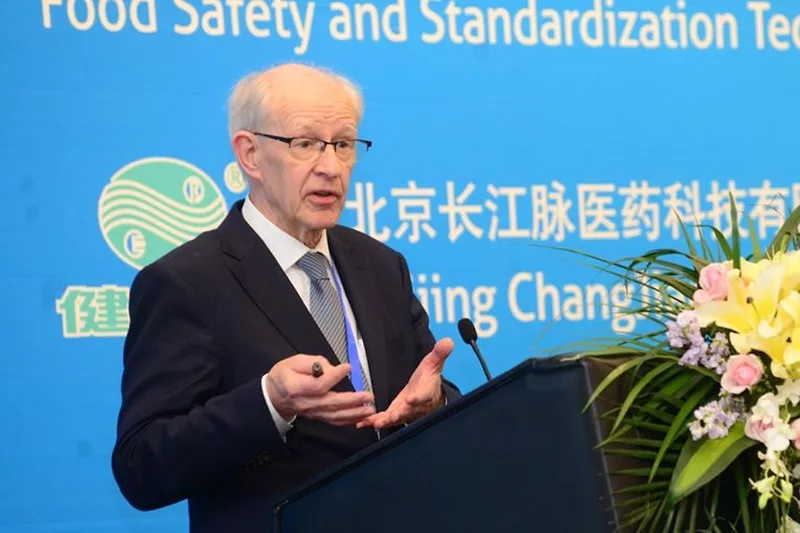
Huub Lelieveld, a Dutch scientist who led a global food safety movement and dismantled barriers to trade and humanitarian aid, was selected as the 2026 World Food Prize Laureate, the organization announced Wednesday.
Born in the Nazi-occupied Hague during World War II, Lelieveld went on to become a researcher at Unilever where his innovations reduced food waste, contamination risks, and the reliance on excess salt, sugar and preservatives, which supported the establishment of industry-wide standards still in use today.
But Lelieveld’s life work was just getting started after his retirement from a 40-year career at Unilever.
In 2004, Lelieveld established the Global Harmonization Initiative (GHI), a global food safety organization that connects thousands of volunteer experts across the world to advance science-based food safety and reduce barriers to the global safe distribution of food.
The movement spans 113 countries to deliver the scientific evidence for modern regulations, legislation and international standards that safeguard the world’s food supply while bringing together scientists, industry leaders and policymakers around a commitment to safe and nutritious food for all.
GHI’s ultimate goal is to harmonize legislation supporting those principles worldwide.
Lelieveld “has dismantled barriers, reduced foodborne illnesses, minimized food waste, and ensured that science leads policy, not politics,” said Mashal Husain, World Food Prize Foundation (WFPF) president, at the laureate announcement at the Council on Foreign Relations in New York Wednesday.
“Again, he could have stopped there, but instead, he spent two more decades shaping and redefining the systems that feed our world, from emergency protocols in disaster zones and international standards that protect millions," Husain said. "He turned knowledge into a crusade.”
The World Food Prize is awarded annually to individuals who model the principles of Nobel Peace Prize Laureate Norman Borlaug, the father of the “Green Revolution” who is credited with saving over a billion people worldwide from starvation. Over the past 40 years, the award has honored 57 laureates from 22 countries across all four hemispheres whose breakthroughs have reshaped the fields of food and agriculture.
Lelieveld will receive a $500,000 award as part of the prize.
It’s easy to be “in the know” about what’s happening in Washington, D.C. Sign up for a FREE month of Agri-Pulse news! Simply click here
Unsafe food causes 600 million foodborne illnesses and 420,000 deaths each year around the globe. Inconsistent or politically-driven food safety standards also can disrupt trade by delaying shipments, destroying safe produce at borders and raising trade costs.
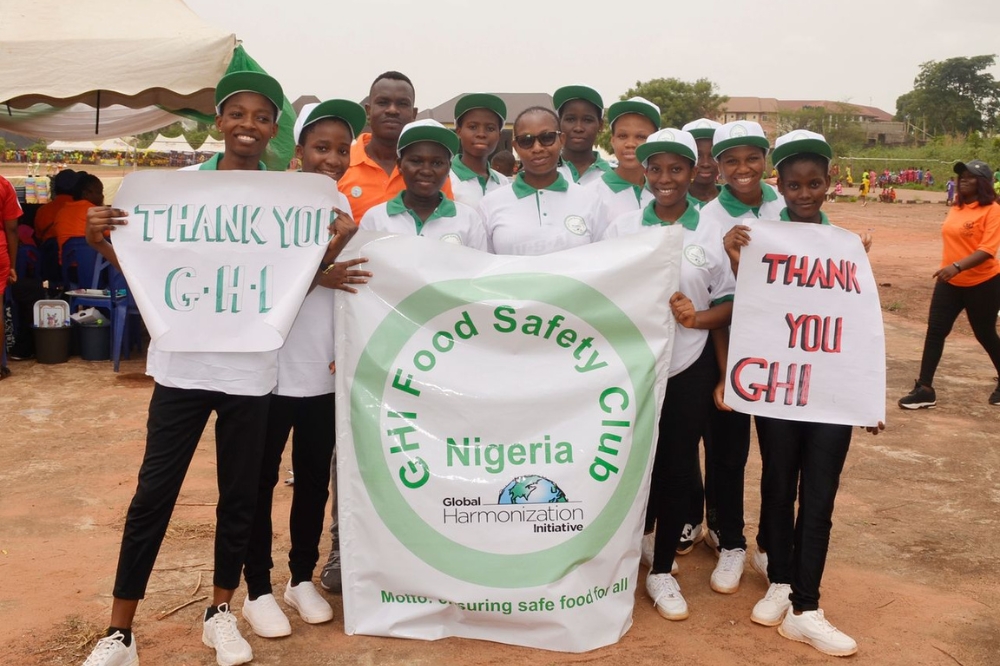 Nigerian Global Harmonization Initiative Food Safety Club members. (WFPF photo)In Kenya, GHI recommendations were adopted into national legislation in 2023 that require food companies to employ certified food safety professionals. Lelieveld’s organization has also played a key role in standardizing and depoliticizing food irradiation technology that uses ionizing radiation to kill bacteria, pests, and mold, delaying spoilage and extending shelf life.
“Lelieveld could have retired after a remarkable career but instead, he chose to dedicate himself to the world’s most pressing food safety challenges,” said World Food Prize Foundation CEO and former ag secretary, Tom Vilsack. “He has saved countless lives and ensured that safe, nutritious food can reach people who need it most. His vision and persistence continue to transform food systems worldwide.”
Lelieveld has also led a series of initiatives addressing urgent challenges in global food systems, including spearheading the creation of an international alert and whistleblowing network that enables experts in more than 100 countries to detect and respond to emerging food safety threats within 48 hours.
In the aftermath of the 2008 Wenchuan earthquake in China, he mobilized GHI to develop a food safety manual for disaster zones that reshaped emergency response protocols used in multiple regions.
Lelieveld also championed the Safe Cassava initiative which reduces toxin-related neurological disease in children in sub-Saharan Africa and supported pilot projects introducing atmospheric water generation in eight countries to expand access to safe drinking water.
He has authored and co-authored 16 books used by universities and food companies that have influenced curricula and regulatory reform.
Lelieveld’s contributions to food safety and security earned him an honorary doctorate from the National University of Food Science and Technology in Kyiv, and the title of Officer of the Order of Orange-Nassau from the Dutch Royal House for outstanding international public health service.
For more news, go to www.Agri-Pulse.com.

