
|
A proposal to rewrite how California manages its demonstration state forests is exposing deep divisions among environmental advocates, rural officials, and agricultural and forestry groups over the future of working lands.
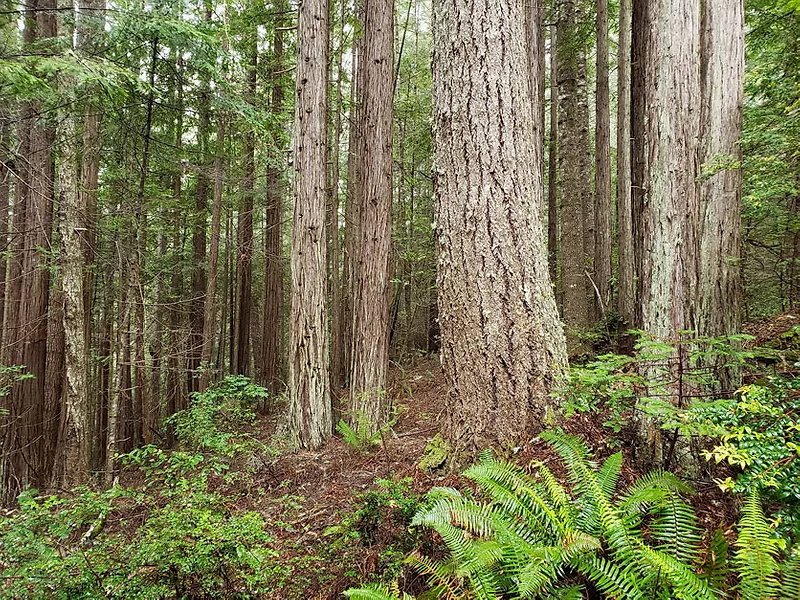
Assembly Bill 2494, authored by Asm. Chris Rogers, D-Santa Rosa, would overhaul management priorities for the state’s 14 demonstration state forests, which span about 85,000 acres and are intended to serve as “living laboratories” for forest management practices.
Under current law, the forests are managed for “maximum sustained production of high-quality forest products” while balancing recreation, watershed protection and wildlife habitat. The bill would replace that mandate with a new definition of management centered on biodiversity conservation, wildfire resilience, carbon sequestration, recreation and research.
The measure would also limit timber harvest to projects tied to ecological restoration or research, rather than allowing harvest as a primary revenue driver.
Currently, the forests are largely supported through timber revenues deposited into the Forest Resources Improvement Fund, which is dedicated to forest operations, maintenance and research. Timber sales remain the primary revenue source, with recreation fees accounting for less than 1%.
AB 2494 would redirect those revenues into the Timber Regulation and Forest Restoration Fund, a larger statewide account funded by a 1% tax on lumber and wood products. The bill would also make the forests a priority for that funding.
 Asm. Chris Rogers, D-Santa Rosa (office photo)
A policy committee analysis notes that demonstration forests already operate at a deficit, with timber revenues failing to cover full operating costs. At the Jackson Demonstration State Forest, timber sales generated about $1 million in 2023, compared to roughly $4.5 million in annual operating expenses.
Tribes and 30x30
Rogers argues that it has been nearly 80 years since the state updated the policies and that the existing framework predates modern climate science and wildfire challenges.
“It is not a question of how much timber should we take. It is ‘how’?” he told lawmakers at a recent policy committee hearing. “By focusing on a restorative environment, we can provide a better future for our community.”
He emphasized the bill does not eliminate logging but relies on active management, adding that timber projects must support biodiversity conservation, carbon sequestration, wildfire resiliency, recreation and research.
The bill would apply to all demonstration forests managed by the California Department of Forestry and Fire Protection, including the 48,000-acre Jackson forest in Mendocino County.
Mendocino County Supervisor Ted Williams told lawmakers the proposal could help shift the region away from a declining extraction-based economy.
Interested in more news on farm programs, trade and rural issues? Sign up for a four-week free trial to Agri-Pulse. You’ll receive our content - absolutely free - during the trial period.
“Our economy was long tied to resource extraction,” he said, adding that recreation and tourism tied to forest access could support local businesses and workers. “Our only hope at the moment is a visitor economy.”
Buffie Campbell, executive director of the InterTribal Sinkyone Wilderness Council, said the measure would formalize tribal comanagement and restore Indigenous stewardship practices that have been excluded since the state took control of the forests.
“The tribal nations have not had a voice in comanaging or governing, regarding any state forest,” she said.
The bill also aligns with California’s 30x30 conservation initiative, which aims to conserve 30% of the state’s land and coastal waters by 2030.
Timber, carbon and wildfire debate
Agricultural and forestry groups warned the proposal could undermine the working forest model that has guided the system for decades.
Peter Ansel, a senior policy advocate at the California Farm Bureau, said the measure fundamentally shifts the purpose of demonstration forests by prioritizing carbon storage and limiting timber harvest to restoration and research. He argued the bill creates “a false choice between carbon storage and timber harvest,” noting that wood products also store carbon over time.
Ansel added that reducing active management could increase wildfire risks, warning that “unmanaged and undermanaged forests do not maximize carbon benefits” and can lead to larger carbon releases during catastrophic fires.
The committee analysis similarly notes that logging “is a vital tool for healthy forest management and fire risk reduction and needs to continue” in the demonstration forests, even as the bill shifts emphasis toward restoration.
Matt Dias, president and CEO of the California Forestry Association, said the bill could restrict established forest management practices and jeopardize the financial structure.
“For upwards of 70 years, the demonstration state forests have literally been self-sustaining,” Dias said, cautioning that shifting funding sources could create uncertainty.
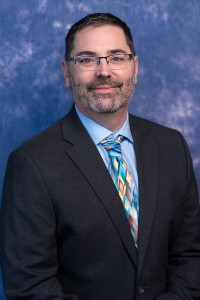 Matt Dias, California Forestry Association (office photo)
Outside the hearing, Rural County Representatives of California has raised similar concerns, warning in a policy analysis that AB 2494 could destabilize funding by redirecting timber revenues into a broader state fund where they would compete with other priorities.
RCRC also cautioned the proposal could reduce flexibility for local forest management and limit the ability to balance economic activity with wildfire mitigation and forest health goals.
The forests generate about $175,000 annually in timber yield taxes that are returned to counties for public services.
Research conducted in demonstration forests also surfaced as a key issue. The forests host a wide range of studies, from watershed science to forest regeneration, and their findings inform management practices across California’s privately owned forestlands, which account for about 40% of the state’s forest area.
Dias said there are 23 ongoing projects “on just Jackson Demonstration State Forest alone,” including long-term watershed and forest health studies used to shape state regulations. He warned that funding uncertainty and potential project delays could disrupt those efforts.
The committee analysis warns that changing statute midstream could disrupt the California Department of Forestry and Fire Prevention’s ongoing update of the Jackson forest management plan, potentially creating delays and added costs.
Rogers pushed back on claims that the bill would halt logging or research, emphasizing that timber harvest would continue when tied to ecological outcomes.
Dozens of county farm bureaus have registered their opposition to the bill as well.
The debate also turned to wildfire science, with Dias and Ansel arguing that thinning and active harvest improve forest health by reducing density, noting that the practice preserves old growth trees. Rogers countered that removing large canopy trees can increase competition among smaller trees and elevate fire risk if not guided by ecological principles.
Committee members signaled mixed views. Asm. Gail Pellerin, D-Santa Cruz, said she remained concerned about potential financial impacts on local mills and forest operations but ultimately supported advancing the bill while negotiations continue.
Other lawmakers raised concerns about litigation risk and whether a statewide policy should apply uniformly across different forest types.
Rogers acknowledged ongoing negotiations with opponents and said he is working to address concerns as the bill moves forward.
The measure advanced along a party line vote.

