
Americans wasted less food in 2024, marking the first year-over-year decline in the post-pandemic period, according to a report from ReFED, a nonprofit focused on food waste.
Total surplus food fell to 70 million tons — about 29% of the U.S. food supply — a 2.2% decrease from 2023 and a 3.7% decline on a per-capita basis. The reduction was driven largely by households, where food waste dropped by nearly 950,000 tons. While consumers purchased roughly the same amount of food, they wasted less, likely because of high grocery prices and increased attention to meal planning.
“With persistent food insecurity, shrinking federal food assistance programs, and significantly elevated grocery prices stressing consumers and challenging food businesses, a wide range of external factors set the stage for food waste action,” the report’s authors write.
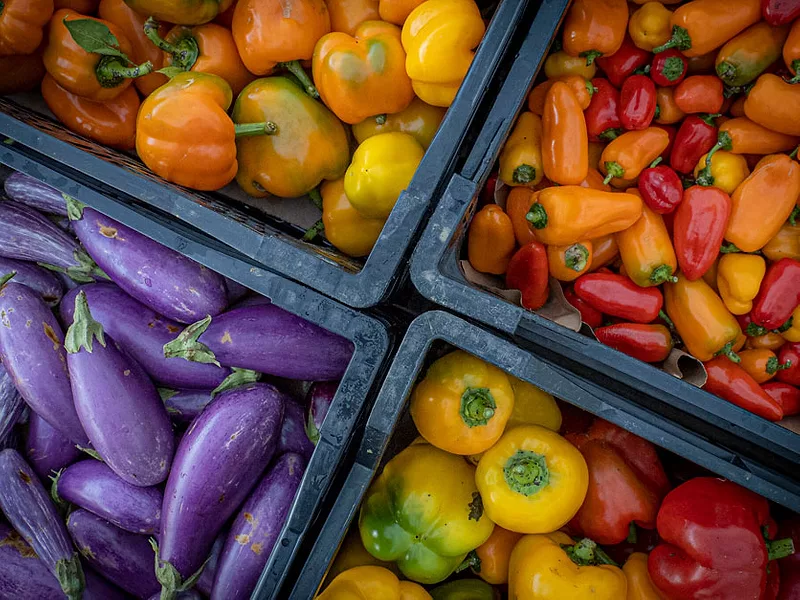
Fresh produce remains the most wasted category, accounting for 45.4% of all surplus food.
Investment trends are also shifting. Private-sector funding for food waste initiatives rose 16% in 2025, while federal funding dipped slightly, in part because of canceled grants under the Inflation Reduction Act. Overall, total investment increased 6% from 2024.
Interested in more news on farm programs, trade and rural issues? Sign up for a four-week free trial to Agri-Pulse. You’ll receive our content - absolutely free - during the trial period.
Changing consumer behavior may be contributing as well. The report says growing use of GLP-1 medications is driving demand for customizable portion sizes at restaurants, while more households report planning meals and using existing ingredients to manage costs.
The report identifies 47 solutions that could reduce food waste by 20 million tons annually if fully implemented. ReFED also highlights the reintroduction of the bipartisan Food Date Labeling Act in Congress. The legislation aims to reduce confusion around food date labels, which ReFED estimates contributes to $19.2 billion in annual food waste. The measure has gained bipartisan support in the Senate, including backing from Sen. Rick Scott, R-Fla.
“Momentum behind food waste policy is building,” the report says, citing the EPA’s Feed It Onward initiative as an example. Launched in September last year, the EPA campaign aims to facilitate the donation of surplus food to families and military installations.
The financial toll of food waste remains significant. An EPA analysis estimates the average American wastes $728 worth of food annually, nearly $3,000 for a family of four, or about 11% of total food spending.
