
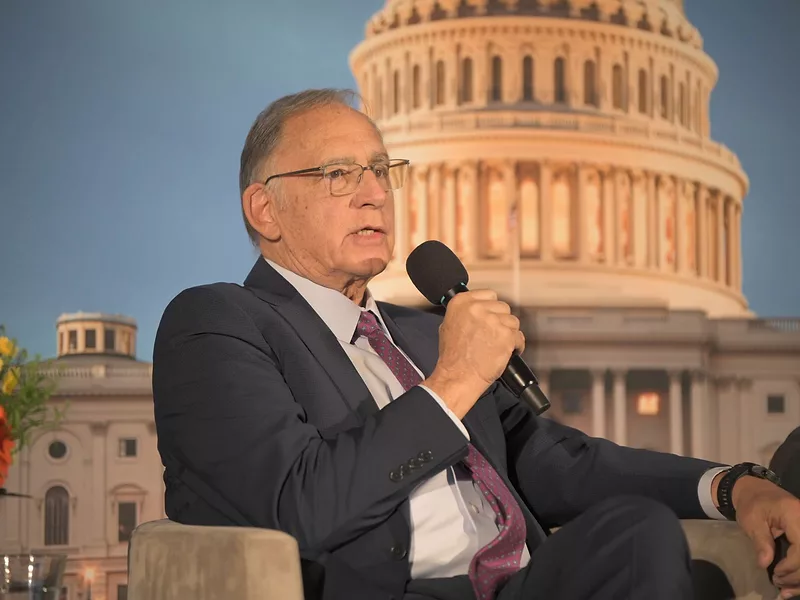
The outlook is bright for congressional passage of pro-ethanol legislation and billions of dollars in additional financial aid, Senate Agriculture Committee Chairman John Boozman, R-Ark., says.
“The stars are aligned” for moving a bill that would allow year-round, voluntary sales of higher blends of corn-based biofuel, known as E15, Boozman told reporters on Tuesday. “Congress realizes how difficult it is in farm country right now and how in order to strengthen our markets, we have to look at domestic use of our products.”
“I think we’ve got the votes to get it passed,” he said.
Boozman spoke shortly after releasing a discussion draft of a farm bill that doesn’t include E15 or financial assistance for ag producers due to a combination of factors, including jurisdictional issues and the need for the legislation to be budget-neutral. Still, Boozman stressed the importance of tackling both items as soon as possible.
“We simply have to get it done,” he said. “We’ve got an excellent chance of passing this on the Senate floor.”
Cut through the clutter! We deliver the news you need to stay informed about farm, food and rural issues. Sign up for a FREE month of Agri-Pulse here.
Senate Majority Leader John Thune, R-S.D., a member of the ag committee, has said he wants to advance a stand-alone E15 measure to the floor for a vote, though it’s not yet clear what that will look like.
E15 is a top priority for Thune and discussions are ongoing, according to a person close to the matter. The Senate Republican leader is optimistic the Senate can reach an agreement, and is committed to getting it done as quickly as possible, the person said.
A House-passed bill was ultimately separated from a farm bill passed by the chamber in April due to a political firestorm around provisions that would change how some oil refineries are treated under the Renewable Fuel Standard, the law that establishes mandated volumes of biofuels to be mixed into the nation’s yearly fuel supplies.
The Senate is expected to pursue a bill without such sweeping changes to the RFS.
Sen. Chuck Grassley, R-Iowa, said he’s trying to “wake up” his colleagues on the fact that there are only seven legislative working weeks left until the midterm elections in November. Opposition from medium-sized refiners remains a “major problem,” he said.
Grassley, who would prefer E15 be added to “must pass” legislation as opposed to a stand-alone bill, said a supplemental military funding measure related to Iran that is expected to be out on Wednesday, is a potential vehicle.
Meanwhile, Boozman sees a military funding package, along with a spending to address recent natural disasters around the country, as promising potential vehicles for additional aid to struggling U.S. farmers.
“This bridge payment will be a big part of that, and I think it will ultimately help the whole package move,” he said.
“It’s vital that we have another bridge payment as soon as possible,” Boozman said.
“If you're growing something in the ground … you're losing money because input costs have gone up dramatically,” he said. Unlike businesses that can pass along higher costs by raising prices, farmers can’t do that because they’re reliant on international markets that set prices for crops and other commodities, Boozman added.
With assistance from Grace Miller.
.webp?t=1762183428)
