
|
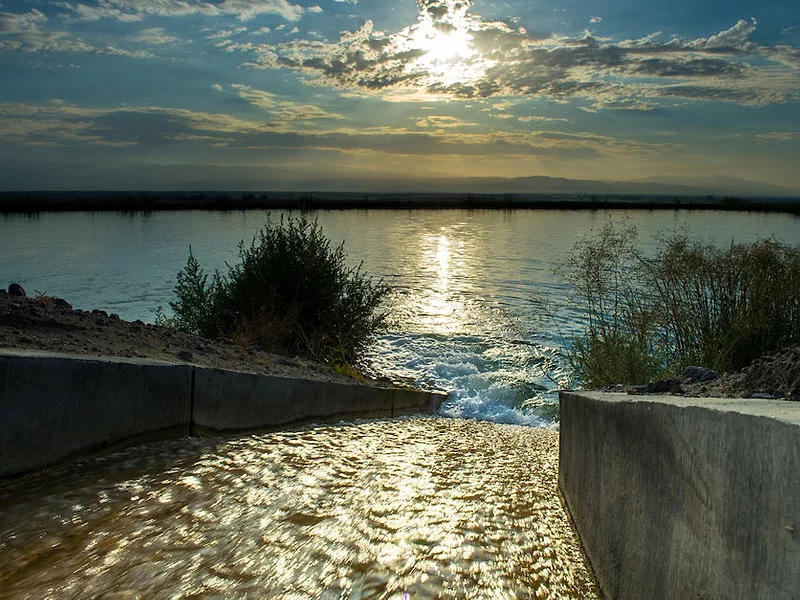
California farmers and water managers could gain more flexibility to capture high flows and replenish depleted aquifers under a bill aimed at aligning groundwater recharge permits with the unpredictable arrival of winter storms. The push is gaining urgency as NOAA forecasters anticipate a “super El Niño” to impact the West by late fall, potentially creating another round of high flows and groundwater recharge opportunities.
Assembly Bill 2026 by Asm. Cecilia Aguiar-Curry, D-Winters, would extend and revise several pathways for diverting water into groundwater basins. It seeks to help applicants secure permits before a wet year materializes, avoid losing much of a short permit window while waiting for water, and move more easily from temporary approvals to permanent water rights.
The bill comes as groundwater sustainability agencies face mounting pressure to balance overdrafted basins under the Sustainable Groundwater Management Act. For farmers, recharge can raise groundwater levels, reduce pumping costs and soften the amount of land that may ultimately need to be fallowed to comply with SGMA.
Yet local water agencies say the permits needed to capture unclaimed winter flows can be costly, slow and poorly suited to weather that may deliver most of a season’s runoff in a handful of storms.
“This bill is complex, but so are the permitting processes for groundwater recharge projects,” Aguiar-Curry told senators last week. “Today, permitting can be too slow or too rigid.”
More certainty for agricultural projects
The State Water Resources Control Board offers 180-day and five-year temporary permits for diverting available surface water into underground storage. The permits are junior to existing water rights and may include conditions to protect downstream users, fish and water quality.
The board has also developed a streamlined route for projects taking high winter flows. Standard water right applications, by comparison, can take several years to resolve, creating a problem for groundwater agencies that need long-term certainty before investing in canals, pumps and recharge basins.
AB 2026 would give the board and applicants more flexibility over when a temporary permit’s operating period begins. That could allow an agency to obtain a permit ahead of the rainy season without watching much of its authorization expire before water becomes available.
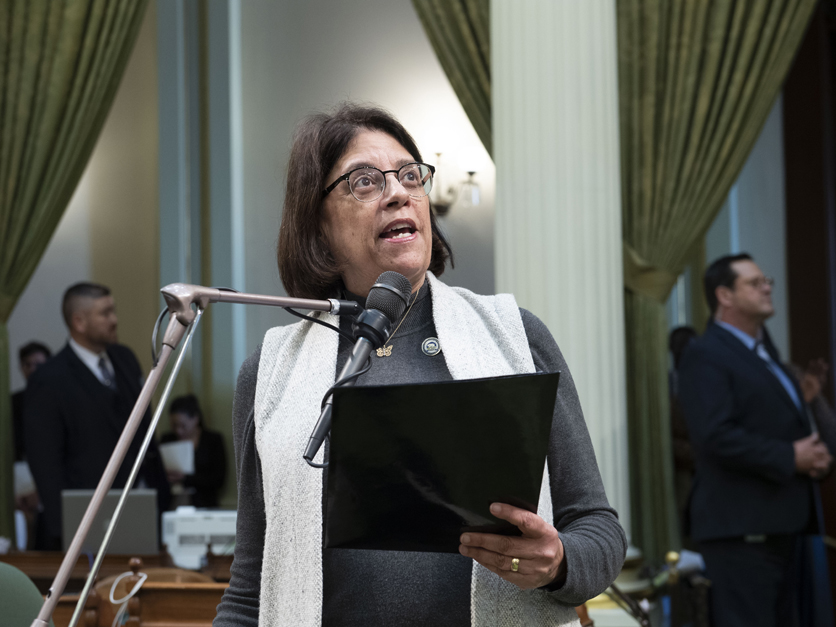 Asm. Cecilia Aguiar-Curry (office photo)
“This means that people can apply for permits before they know if a rainy season will be wet or dry,” Aguiar-Curry said. “It allows the applicants to secure permits in advance but only use them when conditions are right.”
The measure would also create a more direct path to a permanent permit for agencies and qualifying private entities that have successfully operated under temporary permits for at least five years. For agricultural districts, that could reduce the need to repeatedly submit substantially similar applications while providing greater certainty for investments in recharge infrastructure.
Private landowners could participate through agreements with groundwater sustainability agencies or other eligible local agencies. That provision could expand opportunities for on-farm recharge, where irrigation systems and fallow or dormant fields are used to spread winter water and allow it to percolate into an aquifer.
Kristin Peer, an attorney representing Regional Water Authority and Northern California Water Association, said the measure seeks to recognize the time and money agencies have already invested in temporary permits.
“The bill is focused on one thing: ensuring that more diversions to groundwater recharge are occurring at times when it is wet, so that our systems are more resilient when it is dry,” Peer said.
The legislation would also revise a process that allows agencies to divert imminent flood flows without first obtaining an appropriative water right. It would cover certain releases from dams operating for flood control while retaining requirements to protect downstream water users and environmental needs.
For the Sacramento River watershed, the bill would establish criteria tied to high seasonal runoff and limit diversions to a portion of the daily flow after senior demands and environmental protections are met. The board could develop location-specific criteria elsewhere.
A process growing more complicated
The experience of the Yolo County Flood Control & Water Conservation District illustrates the frustrations driving the bill.
The district uses surface water during wetter periods and groundwater during dry years to support Yolo County agriculture. It has applied for 180-day recharge permits for 11 years, diverted water during seven and moved more than 42,000 acre-feet underground through unlined canals.
“Groundwater is our savings account for dry years,” said General Manager Kristin Sicke.
The district spent two months consulting with regulators before submitting its first application in 2015. The board issued an eight-page permit six days later and charged nominal fees. For its latest application, the experienced applicant waited 125 days for a 30-page permit and paid about $35,000.
“Somehow ov Kristin Peer (BKS Law photo)er the past decade, the process has become more complex,” Sicke said.
The water board says it has recently cut average processing time for five-year permits from as long as a year to about four months. It issued permits for several agricultural regions ahead of the latest wet season, including for Yolo County.
A Scott Valley project uses an unlined canal and farmland to place water underground. Farmer Brandon Fawaz said in a water board press release that the five-year authorization provides consistency, covers both dry and wet periods, and allows the district to gather information that would be difficult to develop under annual applications.
But permit fees remain a source of friction. In 2024 the water board raised the cost of temporary recharge permits as it added staff and sought to reduce subsidies from other water right applicants. A permit for a 10,000-acre-foot project that previously cost about $6,000 was anticipated to rise to $28,000 when filed well in advance and substantially more when submitted closer to the proposed diversion period.
“What we have here is the reality that when you increase these fees you are discouraging that action,” Michael Miiller, a policy advocate at California Association of Winegrape Growers, said at the time. “Groundwater recharge is already very expensive.”
Building on a record recharge year
California has repeatedly tried to remove such barriers. Lawmakers authorized five-year permits in 2020, while Gov. Gavin Newsom issued executive orders during a deluge of storms in 2023 to suspend certain requirements for qualifying floodwater diversions. The Legislature later codified portions of that emergency approach.
The exceptionally wet water year led to 4.6 million acre-feet of reported recharge. That fell to 1.9 million acre-feet in 2024 and 1.1 million in 2025, according to the California Department of Water Resources’ latest figures. Overall groundwater storage still increased by 2.2 million acre-feet in 2024 but declined by about 1.5 million acre-feet the following year, illustrating how quickly recharge opportunities can shrink outside the wettest years.
The numbers demonstrate the potential of recharge when water, infrastructure and regulatory authority align. But supporters of AB 2026 argue the state cannot rely on emergency orders whenever another unusually wet winter arrives.
Environmental and fishing groups agree that groundwater recharge is necessary but warn that streamlined permits must not allow agencies to divert water needed for salmon, water quality or downstream water rights. Drinking water advocates have also sought safeguards against placing water on land where it could push nitrates or other contaminants toward domestic wells.
Recent amendments limit some environmental exemptions to projects using existing or temporary infrastructure, while also requiring tribal consultation and preserving a role for the California Department of Fish and Wildlife in recommending permit conditions.
For agriculture, the bill offers no guarantee that water will be available in any given year. Its goal is to ensure that when high flows do arrive, farmers and groundwater agencies are not still waiting for permission to put them underground.

