
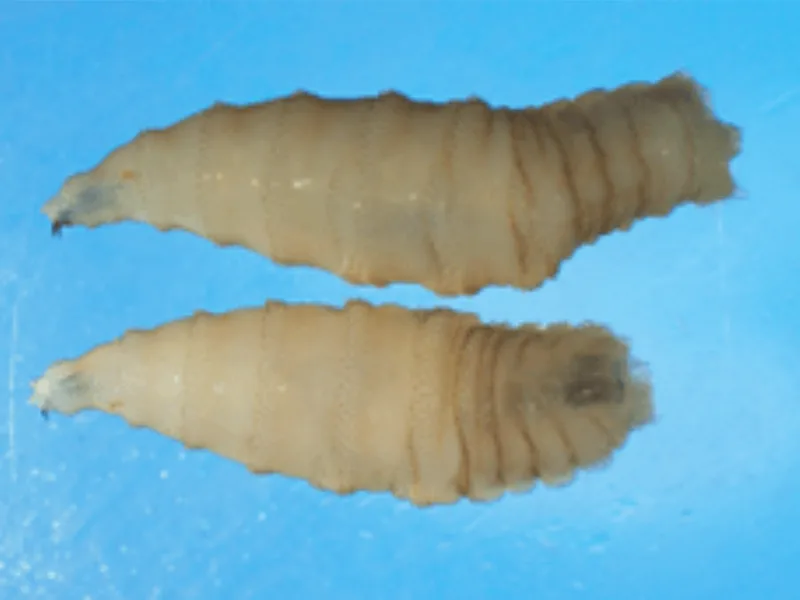
Individual states have been imposing restrictions on animal imports from New World screwworm infested zones, with the most recent requirement in Wisconsin effective Tuesday. Only five states do not have novel restrictions in place: Alaska, Hawaii, Nevada, Ohio and Wyoming.
The most common restriction is to require warm-blooded animals — including pets — from infested zones to have a Certificate of Veterinary Inspection from an accredited veterinarian to ensure that the animal is not infected with screwworm.
Many of the state requirements went into effect in June, shortly after New World screwworm was detected in the United States June 3.
Cases of screwworm in the U.S. have risen to 41, and have been centralized so far in Texas, with one inactive case in New Mexico. Only 12 of the cases are still active. There are no restrictions on movement of animal products, just live animals.
The federal government has been releasing sterile flies to stop screwworm spread, but fly production is only about one-fifth of the weekly amount needed to push it out of the country. The sterile flies are being imported from Panama and Mexico; the facilities are operated by USDA’s Animal and Plant Health Inspection Service. The Mexican plant opened in late June, and is gradually increasing production to 100 million sterile flies per week.
Agriculture Secretary Brooke Rollins has said that USDA is working to build a $750 million sterile fly-producing facility in Texas, which could produce 300 million flies weekly, but it will not be operational until next fall.
The American Kennel Club recommends dog owners learn about screwworm and stay updated on travel requirements.
