
California’s farm regions have received hundreds of millions of dollars from the state’s carbon market, helping growers replace older equipment, improve irrigation efficiency, manage manure and cut energy use at food processing plants, according to a new report.
The California Air Resources Board said $15.5 billion in cap-and-invest proceeds has been implemented statewide since 2014. For agriculture and rural communities, the accounting shows how deeply several longstanding incentive programs now depend on revenue generated by the sale of carbon allowances.
The largest agricultural investment is CARB’s FARMER Program, which has implemented $408 million across 8,726 projects that have replaced tractors, harvesters, irrigation engines and other equipment with cleaner models. About 72% of that funding was reported as benefiting disadvantaged and low-income communities and households.
The California Department of Food and Agriculture has implemented another $211 million for 130 dairy digester projects and $96 million for 155 alternative manure management projects. The projects account for some of the portfolio’s largest estimated emissions reductions, reflecting the state’s focus on cutting methane from dairies.
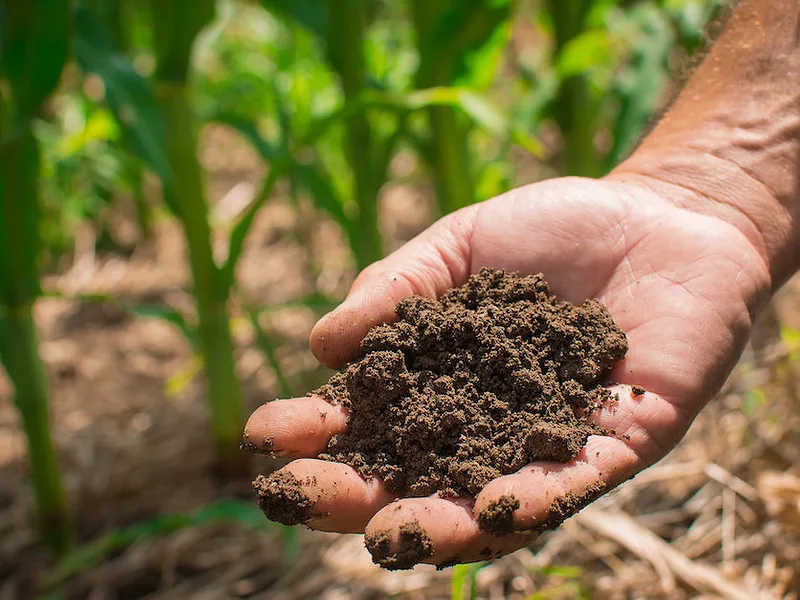
Other investments have reached a broader range of farms. The State Water Efficiency and Enhancement Program has implemented $62 million for 598 projects, while the Healthy Soils Program has put $54 million into 774 projects. The report highlights a Glenn County walnut grower who continued applying compost and mulch after a Healthy Soils grant, citing improved production and fewer pest and soil disease problems.
Food processors are also prominent beneficiaries. The California Energy Commission has implemented $127 million through its Food Production Investment Program. CARB points to efficiency upgrades at Sunsweet Growers’ Yuba City facility that reduced emissions by 19% while lowering operating costs and supporting local jobs.
Rural communities also benefit from investments beyond agriculture, including forest health, wildfire prevention and land conservation. The report estimates nature-based projects will preserve or restore 1.7 million acres and plant 22 million trees outside urban areas.
The report does not announce a new round of farm grants. Instead, it documents the scale of programs already underway and agriculture’s exposure to future budget decisions. CARB estimates recent changes to cap-and-invest could generate another $8 billion for the Greenhouse Gas Reduction Fund through 2030, offering a potential source of continued support as farmers face pressure to reduce emissions and adapt to drought, wildfires and rising operating costs.

