
The Legislature is mulling a proposal to phase out by 2032 “harmful” ultraprocessed foods from about a billion school meals served each year in California. The measure would make the state the first governmental body in the U.S. to ban the ingredients.
Casting a shadow over the forward momentum of the bill, food and agriculture associations warn the well-intentioned legislation stands to increase costs for schools and reduce choices.
Assembly Bill 1264 rides on the success of a 2023 state ban on food additives and a ban last year on dyes in school meals. The Southern California liberal behind the legislation, Assemblymember Jesse Gabriel, D-Encino, has formed an uncanny alliance with Republicans over the food bans, echoing many of the claims of the Trump administration.
“These products are often filled with harmful additives and specifically engineered to interfere with our brain signals in ways that can contribute to food addiction,” said Gabriel during a recent committee hearing on the bill. “The science is clear. Consumption of ultraprocessed foods is a leading driver of poor health outcomes and rising healthcare costs.”
Gabriel’s justification for the ban is that 73% of U.S. adults in the U.S. are overweight or obese and 38% of children are prediabetic, with diet-related diseases the nation’s leading cause of death. He blamed ultraprocessed foods for health issues ranging from cancer to cardiovascular disease and neurobehavioral issues.
“Our public schools should not be serving students products that can harm their physical or mental health or interfere with their ability to learn,” said Gabriel.
From LA to MAHA
His bill would define the specific ingredients in state code and direct state agencies to partner with University of California food and nutrition researchers to determine the specific foods to ban. The endeavor would consider additives that are linked to health harms; contribute to food addiction; contain excessive fat, sugar or salt; or are already restricted or require warning labels in other jurisdictions.
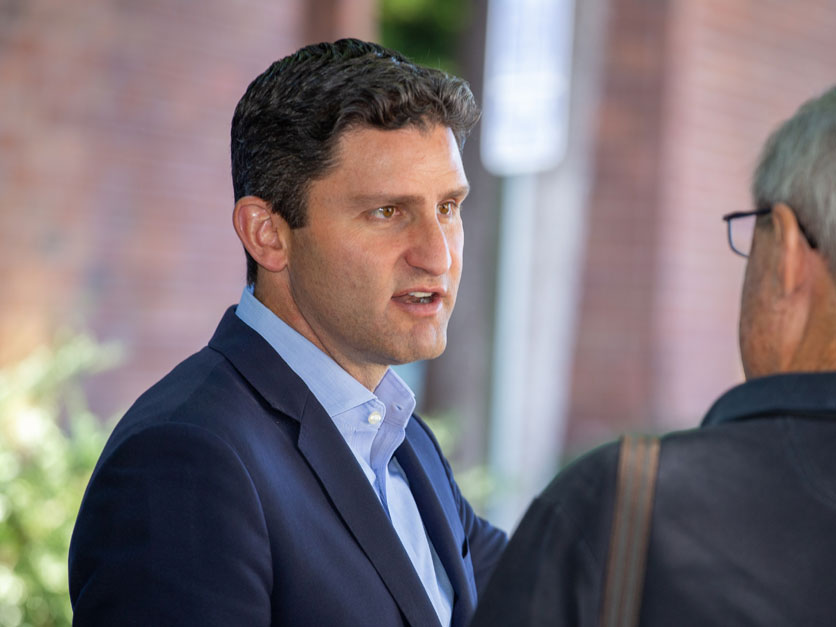 Asm. Jesse Gabriel, D-Encino (Gabriel office photo)
At a time when Governor Gavin Newsom and California’s other Democratic leaders are attempting to find common ground with President Donald Trump on critical issues like water infrastructure and wildfire recovery, Gabriel is confident his bipartisan bill will face little resistance this legislative session. He noted that his measure on school meals inspired the FDA to ban two of the chemicals on his list and more than 20 other states to introduce similar versions of the legislation.
FDA Commissioner Martin Makary and Health and Human Services Secretary Robert F. Kennedy Jr. have been outspoken about food dyes and the potential links to chronic health conditions. On Tuesday FDA announced plans to phase out all petroleum-based dyes from the nation’s food supply.
The "Make America Healthy Again" movement and Kennedy’s previous advocacy roles also have ties to the same interest groups behind Gabriel’s bills.
Several food and nutrition groups support AB 1264. On that list as well is Kat Taylor, a billionaire hedge fund manager and Newsom campaign donor who has played an insider role with developing nutrition and farm-to-school programs within the California Department of Food and Agriculture.
Among those interest groups, the national nonprofit Eat Real has developed a certification program that seeks to verify K-12 schools are providing healthy meals by adhering to 34 performance indicators, including metrics for sustainable farming practices. CEO Nora LaTorre says the organization is on track to reach a million children in 20 states nationwide, with about a third of those students in California.
It’s easy to be “in the know” about agriculture news from coast to coast! Sign up for a FREE month of Agri-Pulse news. Simply click here.
“Our work proves that not only is it possible for schools to feed our kids nutritious, local and minimally processed meals, but our kids prefer it and they need it,” said LaTorre, testifying in support of AB 1264. “Kids eat more than a bathtub of added sugar per year. Our food system is failing our kids.”
Eat Real has partnered with the Fresno Unified School District, the state’s third largest, to transition more than 100 schools to healthier foods. Half of the produce in the school meals is now locally sourced, and some schools have incorporated regenerative beef and chicken products, according to LaTorre.
Ashley Gearhardt, a University of Michigan psychology professor, issued a dire warning to the lawmakers if they do not back Gabriel’s bill.
“If we truly care about children's health, we must treat ultraprocessed food like the public health threat that it is,” said Gearhardt. “This means removing it from schools and putting real nourishing food first.”
She argued unhealthy foods hijack the brain’s reward system in a downward cycle that is “great for corporate profits but devastating for public health.” She equated it to cigarette companies manipulating consumers and claimed the same companies then purchased major food manufacturers in the 1970s and 80s.
“They used the same tactics in our food supply,” said Gearhardt. “They added flavor chemicals from cigarettes to sugary drinks for children. They designed foods to hit bliss points and maximize craving, and they aggressively marketed these products to kids.”
Bans run up against California's affordability crisis
Opponents agreed with the overall intent of the bill and lauded the goal of improving student nutrition as commendable but held strong reservations about enacting a sweeping ban. Representing the Consumer Brands Association and a coalition of California agricultural associations, lobbyist Dennis Albiani explained the challenge with implementing AB 1264.
 Dennis Albiani, Consumer Brands Association (photo: Brad Hooker, Agri-Pulse)
The Biden administration, he said, attempted to define ultraprocessed foods through the Dietary Guidelines Advisory Committee but found it to be virtually impossible. The ambiguity of Gabriel's definition could target bread, dairy and locally grown canned fruits or vegetables. The bill also “places a scarlet letter” on what Gabriel views as the particularly harmful ultraprocessed foods and pushes an overly ambitious six-month timeline to perform a thorough scientific review and draft the potentially complex regulations. That review process, Albiani argued, would override the existing oversight programs at FDA as well as the California Department of Public Health, which inspired Gabriel’s previous legislation through its review of synthetic dyes.
The bill “paints a broad brush” that encompasses companies considered to be healthier than their traditional counterparts, added Jimmy Fremgen, policy director at Food Solutions Action, a charity nonprofit advocating for alternative protein products.
Both Albiani and Fremgen are pressing for amendments to narrow the scope of AB 1264, which has precedent with the lawmaker. Gabriel’s 2023 push for a food ban garnered his legislation the moniker of a “Skittles ban” for prohibiting several common ingredients, before the lawmaker agreed to remove titanium dioxide, the most controversial ingredient on his blacklist. He has also worked with school districts to minimize their costs for implementing the bills, concerns that drove Asm. Leticia Castillo, R-Corona, to hold back from voting on AB 1264.
Before voting in favor of the measure, Asm. Mia Bonta, D-Oakland, raised concerns about asking schools to make the transition before the vendors and infrastructure are in place, likening the potential unintended consequences to the California Air Board’s ban on diesel truck engines through its Advanced Clean Fleets Rule.
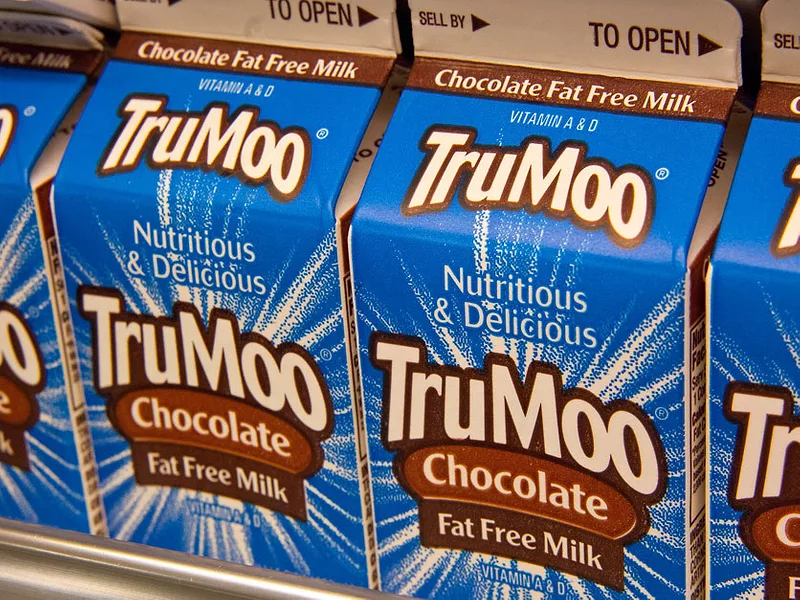
Gabriel defended his measure as simply substituting one brand of applesauce with another, for example, and not a ban on chocolate milk, as opponents portrayed it. He believed alternatives should be readily available, since companies have already reformulated those products for other countries.
“This is about products out there on the market that include some of the most dangerous chemicals, many of which are outlawed in other countries,” said Gabriel. “They cannot be placed in foods in the EU. They cannot be put in foods in Latin America. They cannot be put in foods in South Korea.”
For more news, go to Agri-Pulse.com.

