
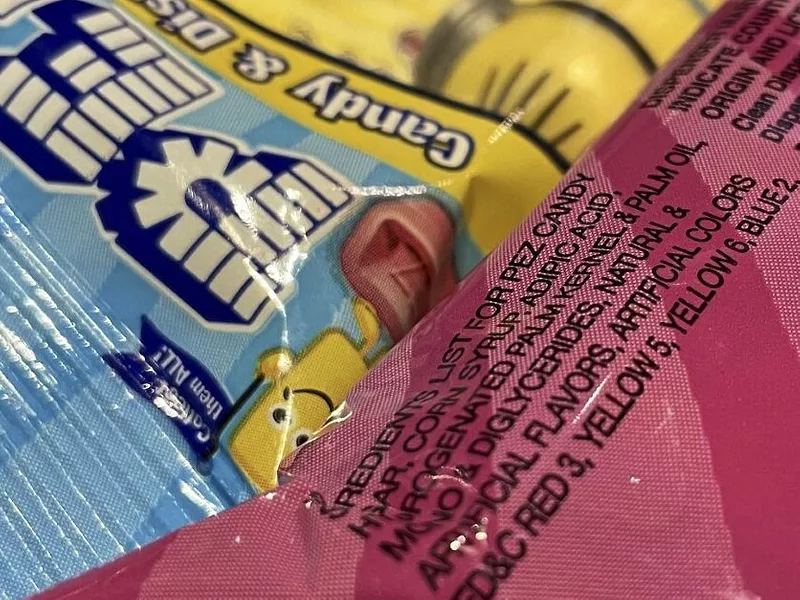
The Food and Drug Administration will create a national standard and timeline for the food industry to phase out all petroleum-based dyes from the nation’s food supply. The phaseout, however, is largely voluntary, and relies on the food industry's cooperation.
It’s one of several steps FDA Commissioner Martin Makary announced Tuesday. It’s also a major win for the Make America Healthy Again movement, backed by Health and Human Services Secretary Robert F. Kennedy Jr.
Makary, Kennedy and others in the MAHA movement attribute some of the increased chronic health issues among children to the use of synthetic dyes in foods. Makary cited studies that show a link between these chemicals and hyperactivity and other health issues.
In addition to creating a national standard to remove synthetic food dyes, FDA will initiate the process to remove authorization for Citrus Red No. 2 and Orange B in the coming months. The agency will also work with industry to eliminate six remaining synthetic dyes from the food supply by the end of 2026.
Food companies will also be asked to remove Red No. 3 dye earlier than the 2027-2028 deadline that the Biden administration set.
During the announcement, Makary suggested food companies explore other natural food dyes like carrot juice. FDA will also authorize four new natural color additives in coming weeks, while accelerating the review and approval of others.
Finally, the FDA will partner with the National Institutes of Health on research on how food additives impact children’s health and development.
Makary said the FDA took the steps announced today in part because several states passed laws banning certain food dyes and chemicals. He said the food industry was asking for consistency given the patchwork effect this created.
Removing food dyes from the food supply will largely be left to the food companies, however, as many of these steps are voluntary.
Kennedy said the agency is looking at labeling, but that process would require congressional approval. He added they will also work to ensure Americans have the proper information about these dyes and products.
“The FDA has many tools in the tool belt to compel change,” said Calley Means, a key leader in the MAHA movement, following the announcement.
It’s easy to be “in the know” about agriculture news from coast to coast! Sign up for a FREE month of Agri-Pulse news. Simply click here.
While Means and others at the event insist that food industry groups are on board and eager to phase out these dyes, no representatives from the industry participated in the event.
In a statement following the announcement, Melissa Hockstad, president and CEO of the Consumer Brands Association, said ingredients used in the U.S. food supply are safe. She said any efforts to reformulate products do not change their commitment to providing safe and affordable product choices.
CBA said it has urged HHS and FDA to prioritize objective, peer-reviewed and relevant research related to food ingredients.
“Consumer Brands has long asked HHS and FDA to reestablish themselves as the country's leading regulatory authority and we appreciate that the administration has reasserted their leadership in response to the myriad of state activity in the food regulation space,” Hockstad said in the statement. “A state patchwork of differing laws creates confusion for consumers, limits access to everyday goods, deters innovation, and increases costs at the grocery store.”
The Center for Science in the Public Interest criticized FDA and HHS for not releasing any rulemaking to remove the remaining dyes and instead are relying on a unspecified understanding with the food industry.
“We wish Kennedy and Makary well getting these unnecessary and harmful dyes out of the food supply and hope they succeed,” said CSPI President Peter Lurie. “Perhaps the food industry will seek to avoid a vindictive president’s wrath. But history tells us that relying on voluntary food industry compliance has all-too-often proven to be a fool’s errand.”
Ahead of the announcement, one industry group did announce action on food dyes.
The International Dairy Foods Association announced its Healthy Dairy in Schools Commitment. The pledge is also voluntary but aims to eliminate the use of certified artificial colors in milk, cheese and yogurt products sold to schools through the National School Lunch and Breakfast Programs.
IDFA said that the majority of dairy products sold to schools already do not have any artificial colors.
“America’s dairy farmers and milk processors have always led the way in providing our families and schoolchildren with healthy, nutritious, and delicious milk products. While I look forward to getting whole milk back into our schools, today’s announcement shows how the dairy industry is voluntarily driving change and giving consumers what they want, without government mandates,” said USDA Secretary Brooke Rollins in a statement.
For more news, go to Agri-Pulse.com.

