
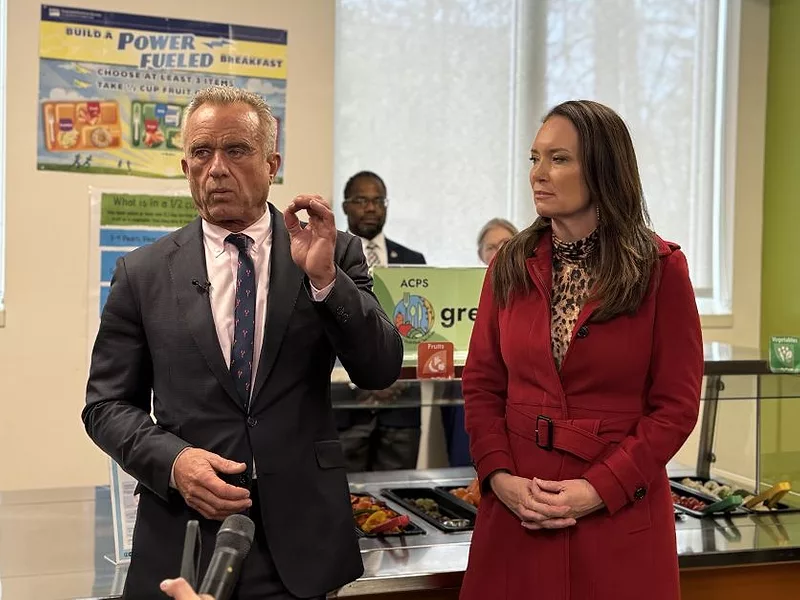
The people most upset about the Trump administration’s highly anticipated strategy to prevent chronic disease may be the adherents of the Make America Healthy Again movement itself.
The draft 18-page Make Our Children Healthy Again strategy, which has been posted online, is less detailed than the first report, issued May 22, and is also friendlier to the ag and food industry than the first document, which singled out possible health impacts of seed oils and the herbicides glyphosate and atrazine.
However, there is some concern in the industry about language in the draft that calls for research into the impact of "cumulative exposure" to chemicals.
The industry pushed back hard on conclusions in the initial report, which also went after the dangers of ultraprocessed foods (UPFs). Administration officials, including Deputy Ag Secretary Stephen Vaden, subsequently vowed that farmers’ voices would be heard.
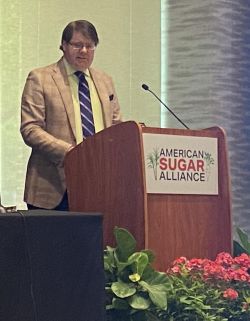 Stephen Vaden (Agri-Pulse photo)
The first report contained dozens of references to the negative health impacts of ultraprocessed foods, but the strategy largely avoided discussion of UPFs.
The apparent de-emphasis of UPFs may be cosmetic, however. The first report said UPFs provide “nearly 70% of an American child’s calories,” while the strategy said that amount comes from “highly processed foods.” The strategy continues to endorse an effort by the Food and Drug Administration to define UPFs.
As for pesticides, the strategy says “EPA, partnering with food and agricultural stakeholders, will work to ensure that the public has awareness and confidence in EPA’s robust pesticide review procedures and how that relates to the limiting of risk for users and the general public.”
The reaction from some MAHA allies was swift. Moms Across America, a group that advocates against pesticides and GMOs, called the quoted paragraph “beyond laughable” and said it would do nothing to improve children’s health.
Farm Action, a “farmer-led watchdog organization,” also said it was disappointed and gave the strategy a D+.
“The White House met with powerful lobbyists, and it shows,” the group’s statement said. “The draft avoids antitrust action, sidesteps on pesticides, and leaves crop insurance distortions untouched.”
Farm groups contacted by Agri-Pulse – CropLife America and the National Milk Producers Federation – declined to comment on the strategy because it’s not final. The strategy endorsed whole milk consumption.
'Cumulative exposure' language called out
The strategy has a short reference to the issue of cumulative exposure. “Additional EPA research will focus on using [non-animal methods] and computational tools to improve methods for evaluating human health and environmental risks of chemical contaminants," the draft says.
Cut through the clutter! We deliver the news you need to stay informed about farm, food and rural issues. Sign up for a FREE month of Agri-Pulse here.
An unsigned “policy alert” that has been circulating in the ag industry says that looking at cumulative impacts is “a back door to regulating modern agriculture out of existence.”
The envisioned cumulative exposure framework would combine “air emissions, water quality, microplastics, pesticides, food additives and other environmental factors into a single regulatory and research model,” the alert says. But that “mirrors litigation and policy strategies long pushed by activist groups opposed to modern production agriculture.”
It’s not clear who wrote the alert, which says, “Under MAHA’s approach, livestock facilities, crop protection approvals, and even farm-level practices could be subjected to multi-year review processes.”
“This is not a narrow food-safety measure,” the alert said. “It’s a structural shift toward an expansive, litigation-friendly regulatory regime.”
Nutrition  Aviva Musicus (CSPI photo)experts who reviewed the report found it underwhelming. Well-known nutritionist and author of the “Food Politics” blog Marion Nestle said the strategy is in no way similar to the first report, which, despite its credibility issues, she called “a strong indictment of this country’s neglect of the health of our children.”
The first report “stated the problems eloquently” and the second report was supposed to “state policies to address those problems,” Nestle said on her blog. Instead, the strategy “states intentions, but when it comes to policy, it has one strong, overall message: more research needed.”
“Regulate? Not a chance, except for the long overdue-closure of the [Generally Recognized as Safe] loophole (which lets corporations decide for themselves whether chemical additives are safe),” Nestle said.
“Everything else is waffle words: explore, coordinate, partner, prioritize, develop, or work toward.”
Means says MAHA needs farmers
The Center for Science in the Public Interest also was critical of the strategy. Science Director Aviva Musicus said it focuses mostly on “voluntary action and education instead of regulation, urging industry to voluntarily reduce food additives, sodium, and added sugar in foods. The report seems to twist itself into knots to make it clear that it will not be infringing upon food companies.”
For example, the strategy says the Department of Health and Human Services and the Federal Trade Commission “will explore development of potential industry guidelines to limit the direct marketing of certain unhealthy foods to children,” she noted.
“Bizarrely, the report’s only suggestion to address alcohol, vaping, and opioid use is through education — despite many opportunities for regulations that we know would help — and it doesn’t even mention tobacco,” she said.
Scott Faber, who heads government affairs at the Environmental Working Group, said in a statement, “It’s hard to square the MAGA diagnosis released in May – that ultra-processed foods and environmental toxins are urgent threats to the health of our kids – with the recommendations in the draft report, which largely call for the same government studies and meetings that have been passed off as progress for decades.”
Faber said “it’s time for action, not contemplation, but this report reads like a plan to plan. If we needed a reminder that change comes to Washington, not from Washington, this report is just what we needed.”
A key figure in the MAHA firmament, entrepreneur and author Calley Means, urged patience in an address to the Heritage Foundation last week.
“We have to understand that this will be strategic and will take time,” Means said, identifying opposition to MAHA as coming from a “deep state that is unimaginable, and entrenched economic interests and entrenched dysfunction that is impossible to comprehend.”
He urged listeners not to attack HHS Secretary Robert F. Kennedy Jr. or President Donald Trump, whom he called “warriors,” but instead use their energy to go after the “deep state.”
“We are not going to win if the soybean farmers and the corn growers are our enemy,” he said. “We need to have empathy for people in the agriculture community and understand that we are all aligned on this 10-year vision where the American farmer is held up as the foremost important person in our health care system, and that our soil and that our food is respected,” he said.
For more news, go to Agri-Pulse.com.

