
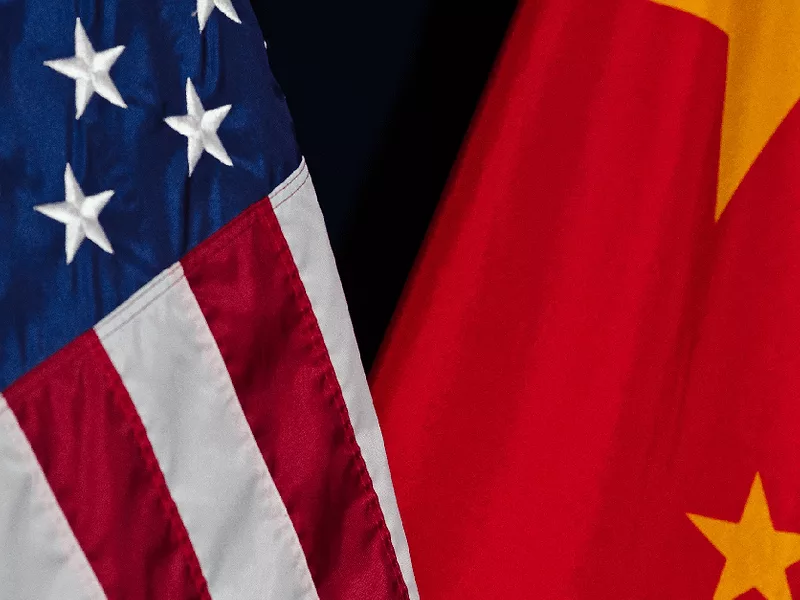
China and U.S. spar over port fees in latest trade flashpoint
New U.S. fees kick in today on Chinese-made or operated vessels, just days after Beijing imposed fees on U.S. vessels. But as a new front opens in the China-U.S. trade war, the potential impacts on global shipping remain difficult to decipher, an analyst says.
Chinese vessels are a sizeable portion of carriers’ fleets, and ag exporters have been raising the alarm that the U.S. fees could trigger cost and efficiency losses.
U.S. ships are a much smaller share of the global commercial ship market. But Beijing says it will apply fees to any ship owned or operated by companies in which U.S. entities directly or indirectly hold more than 25% equity. On Monday, it exempted Chinese-made ships in U.S.-owned fleets from the rules, however, and offered rebates to carriers placing new ship orders at Chinese shipyards.
This approach could give Beijing a very wide net, Jayendu Krishna, head of maritime advisers at Drewry shipping consultants, tells Agri-Pulse.
The rule, Krishna said, could cover ships at companies with debts to U.S. financial institutions, or with company listings in the U.S.
In the dry bulk sector alone, some major carriers are listed in the U.S. or have ties to U.S. financial institutions. It is not clear how the new Chinese fees will affect their vessels.
Cut through the clutter! We deliver the news you need to stay informed about farm, food and rural issues. Sign up for a FREE month of Agri-Pulse here.
“You can’t pinpoint the ownership that easily,” Krishna said.
No RIFs at USDA, but other agencies are ‘considering’ them
Other federal agencies besides the ones that made reductions in force on Friday “may actively be considering whether to conduct additional RIFs, including RIFs related to the ongoing lapse in appropriations,” a top official at the Office of Management and Budget told a federal court Friday.
The Trump administration targeted at least 4,000 employees for RIFs, according to filings in a case in California. Federal employee unions sued to stop the RIFs.
The departments losing personnel include Health and Human Services, Homeland Security, Treasury, Education, Energy, and Commerce, as well as the Environmental Protection Agency.
The Agriculture Department was not among them, and OMB Senior Adviser Stephen Billy did not say in his declaration which other agencies are considering RIFs.
Also on Friday, U.S. District Judge Susan Illston moved up a hearing to Wednesday on the unions’ motion for a temporary restraining order to halt the RIFs.
RFA’s Cooper boosts UN plan to cut GHGs from ships
A UN plan to slash greenhouse gas emissions from ocean vessels could be a boon for U.S. biofuels made from corn and other key crops, according to an ethanol trade group. But the Trump administration isn’t on board.
The rules, set for a vote this week in London, would apply to ships that generally consume about 70 to 80 billion gallons of fuel annually. If the U.S. ethanol industry captured 5% of that market, it could see a “game-changing demand boost” of as many as 5 billion gallons, while corn demand could rise by at least 1.5 billion bushels, Renewable Fuels Association CEO Geoff Cooper said Monday.
Trump administration opposition appears tied to the idea it would preclude use of biofuels.
"We don’t see it that way,” Cooper said.
Read more in last week's Agri-Pulse story
Corn use in ethanol would balloon with year-round E15, NCGA says
Using corn in E15 all year long would boost corn prices and help shore up U.S. energy supplies, so says a new National Corn Growers Association analysis.
USDA forecast stable corn use in ethanol, which NCGA’s analysis said “is concerning given the coinciding forecast for rising productivity. Even more concerning is the Energy Information Administration (EIA) forecast for declining motor gasoline use that indicates a decline in domestic ethanol use.”
Raising the national blend rate to 15% equates to 6.81 billion gallons of additional domestic ethanol use, or 2.43 billion bushels more corn used in ethanol, NCGA said Monday – nearly a 50% increase.
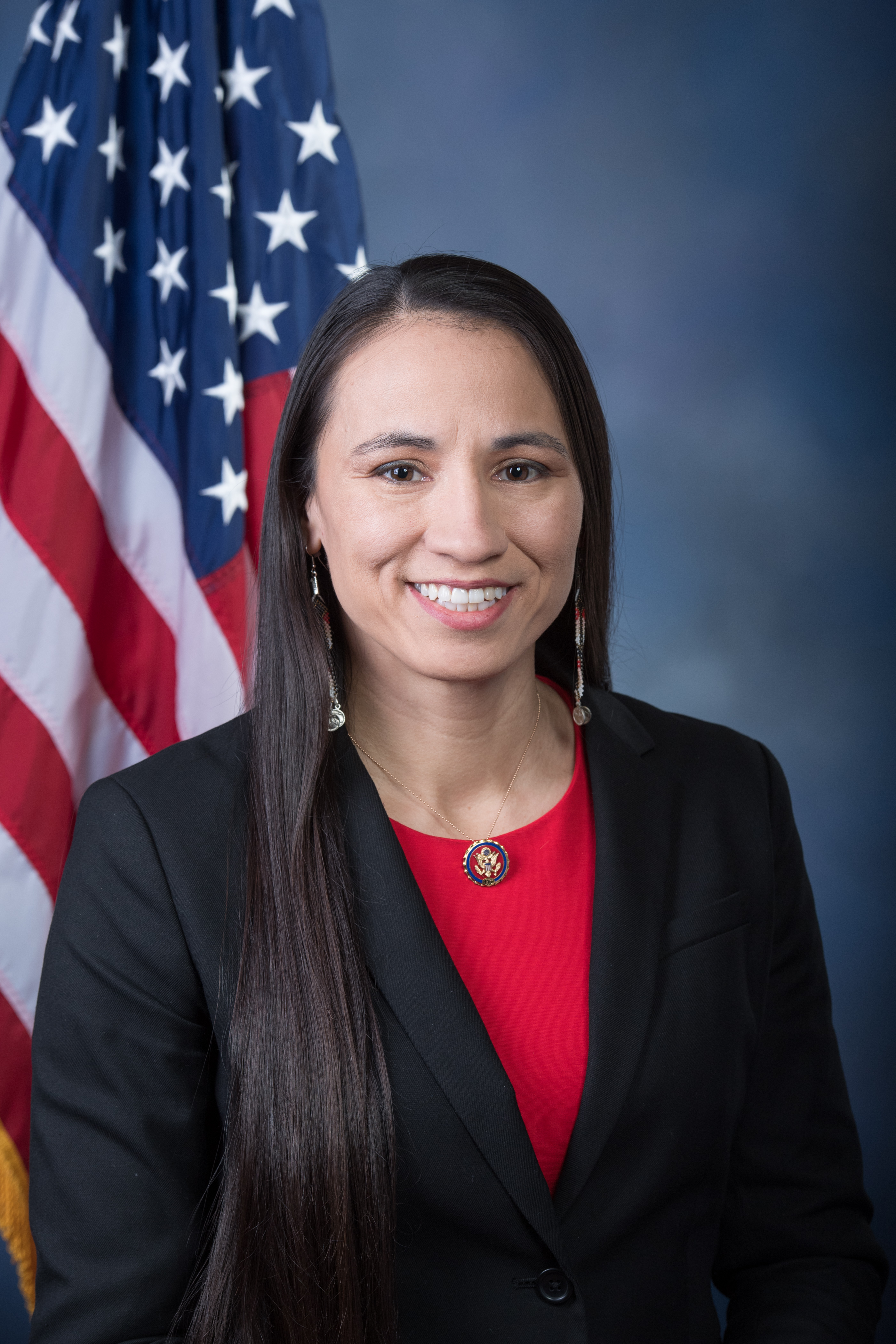 Rep. Sharice Davids, D-Kan.
Dems to highlight administration’s China tariffs, Argentina aid
Democrats are pointing out the Trump administration’s escalating trade dispute with China, holding a press call today featuring Illinois soybean grower John Bartman, Minnesota Gov. Tim Walz and Kansas Rep. Sharice Davids.
A Democratic National Committee representative will also be on the call. The announcement noted that President Trump is supposed to meet with Argentine President Javier Milei today.
The administration announced financial assistance for Argentina last month through a $20 billion currency swap. The move angered U.S. soybean farmers when Argentina dropped its soybean export taxes and sold 20 shiploads of beans to China.
Bartman has frequently addressed the impact of tariffs on farmers who are dependent on exports.
New World Screwworm detected again in Mexico, but farther south
Ag Secretary Brooke Rollins confirmed a new case of New World Screwworm in Mexico, but this one’s about 170 miles south of the previous case.
Rollins said active cases in Mexico have dropped 28% compared to the peak on Sept. 11, and that more checkpoints had been authorized south of the border.
“While the results are encouraging, the recent positive NWS cases near our southern border confirm that there is significant work left to do,” she said.
Final word
“Some agencies have offered preliminary estimates of how many employees might receive RIF notices, but those estimates are subject to change as agencies that are considering potential RIFs actively consider the scope of such potential RIFs.” – Stephen Billy, senior adviser in the Office of Management and Budget, in a declaration in the federal court for the Northern District of California.
Correction: An item in the Oct. 10 Daybreak incorrectly cited the source of a briefing on funding conditions for the Farm Credit System. It was conducted by the Farm Credit Administration.
Kim Chipman, Oliver Ward and Noah Wicks contributed to today’s Daybreak
.webp?t=1762183428)


