
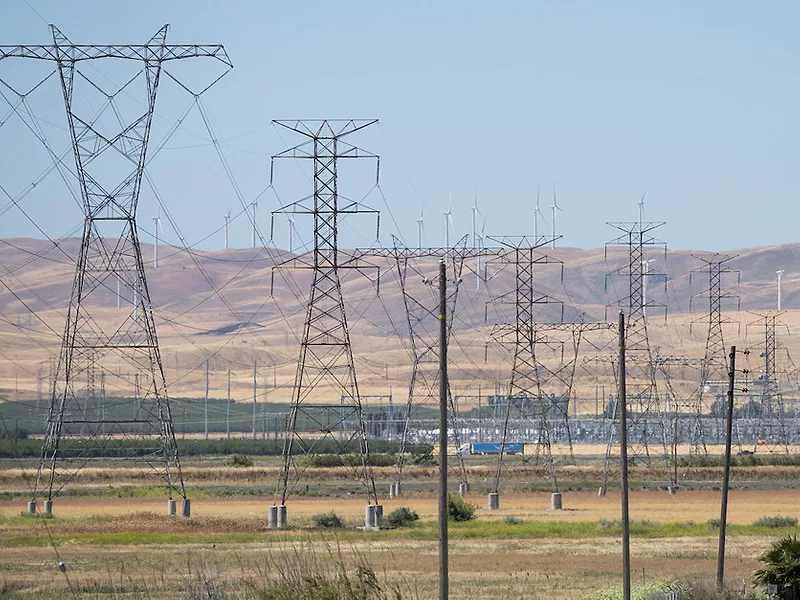
Pacific Gas and Electric Co.’s proposed rate increases are drawing fierce resistance from California farm groups and rural communities, which warn the plan could undermine irrigated agriculture and rural economies already struggling under some of the highest electricity prices in the nation.
PG&E is asking the California Public Utilities Commission to approve higher electric and gas rates beginning in 2027, with cumulative increases of roughly 23% through 2030 before accounting for wildfire mitigation surcharges, undergrounding costs and infrastructure upgrades tied to California’s electrification policies.
Agricultural leaders argue the proposal lands on top of a system where California already faces a major cost disadvantage. Residential customers in the state pay far more per kilowatt-hour than the national average and the gap is even wider for industrial and agricultural users. Farms, irrigation districts, crop processors and cold storage operators often pay two to three times more for power than competitors in Midwestern and Southern states.
That disparity creates pressure that cannot be absorbed through higher crop prices because global commodity markets set those prices. Instead, energy costs cut directly into farm margins, influence planting decisions, and affect whether processing and storage facilities remain viable in California.
The proposed increases could accelerate long-term trends toward reduced acreage, delayed infrastructure upgrades and capital flight to lower-cost regions outside the state.
Competitiveness at risk
The Western Tree Nut Association emerged as one of the most vocal agricultural critics of PG&E’s proposal, echoing many of the arguments it expressed in 2021 over PG&E’s previous request. The association warned that energy costs are already pushing permanent crop systems toward economic unsustainability.
“With 1.5 million PG&E customers behind on their bills, people are having to make the choice of keeping the lights on or putting food on the table,” said association President and CEO Roger Isom at a CPUC hearing in Fresno. “Meanwhile, PG&E set record profits of $2.24 billion in 2023 and $2.47 billion in 2024. We urge the CPUC to deny this increase.”
Don’t miss a beat! It’s easy to sign up for a FREE month of Agri-Pulse news! For the latest on what’s happening in Washington, D.C. and around the country in agriculture, just click here.
WTNA Assistant Vice President Priscilla Rodriguez warned that high electric rates are eroding global competitiveness.
“We cannot compete with the rest of the country or the world marketplace,” said Rodriguez. “We can’t charge more for our agricultural products simply because our electric rates are higher.”
 Priscilla Rodriguez (WTNA photo)
 She cited a report by the Public Policy Institute of California showing the state’s electric rates are more than 80% higher than the rest of the country and noted that the federal government’s Energy Information Administration says the systemwide average rate for electricity is 30 cents per kilowatt-hour, while the national rate is 15 cents.
According to the California Business Roundtable, average prices for commercial loads in California are also elevated. For the 12 months ending in May, the average commercial price was about 25 cents per kilowatt-hour, about 111% above the national average of 12 cents. For industrial users, the same period puts California at about 22 cents, or 181% higher than the national average of 8 cents.
Other agricultural groups have filed formal protests raising similar concerns to WTNA.
The California Farm Bureau noted that PG&E’s authorized revenue requirement has grown from about $8 billion in 2017 to more than $15 billion by 2026, a 92% increase in less than a decade. The farm bureau argues that compounded annual increases have created a rate environment many farms can no longer absorb.
The group also took issue with PG&E’s claim that customer bills would remain relatively flat between 2025 and 2027, calling that argument a “rosy spin” that ignores other active CPUC proceedings — including cost of capital cases and electrification-related charges — that are likely to drive rates upward outside the requested rate increase. The farm bureau warned that billions of dollars tied to PG&E’s Senate Bill 884 undergrounding program are being routed through a separate bridge process rather than included directly in the rate case, limiting transparency for customers who will ultimately pay for the work.
While PG&E forecasts a 5% bundled electric rate increase for agricultural customers in 2027, the farm bureau said that figure offers “no comfort” when layered onto years of double-digit increases. The group is requesting evidentiary hearings to probe how costs are being allocated and whether the utility’s forecasts accurately reflect real-world impacts on farms and food processors.
The Agricultural Energy Consumers Association warned that rapidly rising electricity costs are having “a significant impact on the ability for farms and food and fiber processors to operate in California,” while “discussions about affordability continue to omit agricultural customers.” AECA also told regulators that agricultural customers are paying for undergrounding and wildfire mitigation projects in regions where those investments provide little direct benefit to open farmland.
For energy-intensive crops like tree nuts and dairy products, that disparity is not abstract. Electricity powers deep-well irrigation pumps, hullers, shellers, dryers and refrigeration systems. When power costs spike, growers cannot pass those costs through global commodity markets. Instead, they absorb the loss or reduce production.
Large agricultural processors say power costs now rival water, labor and compliance costs as a primary constraint on investment decisions.
Uncanny alliance with EJs
Farmworker and environmental justice advocates were just as frustrated over PG&E’s rate case. The Leadership Counsel for Justice and Accountability urged the CPUC to reject the request, arguing residents in low-income communities in the San Joaquin Valley already deal with inadequate infrastructure and live in dilapidated homes.
“In Fresno County, we experience triple-digit temperatures and residents need to have access to affordable energy prices to not have to make the hard decision to turn off their AC in order to avoid a high bill,” wrote policy advocate Mariana Alvarenga in her comments to the commission. “This is especially important for farmworkers who are already experiencing heat waves in the workplace and deserve the opportunity to rest in a cool home.”
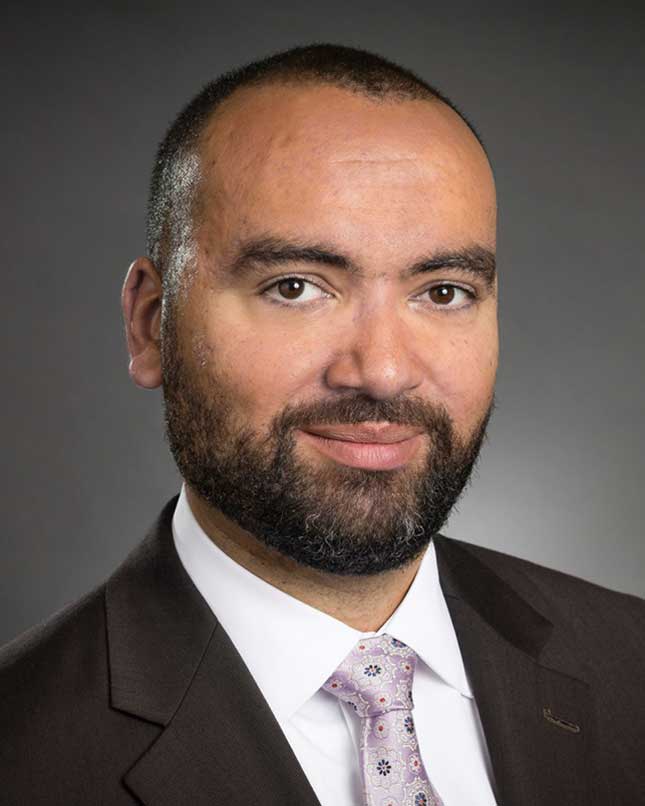 Commissioner John Reynolds (CPUC photo)
The state’s most influential environmental groups are now engaging in the proceeding as well. The Sierra Club’s formal protest argues the proposed rate increases would worsen affordability problems for customers while locking California into costly fossil fuel infrastructure. It also raised concerns about the utility’s plan to significantly boost capital spending on its gas distribution system, warning those investments could become stranded assets as California pushes to electrify buildings and reduce fossil fuel use. Sierra Club cited state energy forecasts showing residential gas transportation rates could increase dramatically by 2050 if current investment trends continue.
Warning that PG&E’s proposal would compound ratepayer harm and understate the true trajectory of customer bills, the CPUC’s independent Public Advocates Office filed a detailed protest.
The consumer watchdog documented how the utility’s past rate case forecasts have repeatedly underestimated real-world rate impacts. PG&E originally projected that average residential bills in 2025 would be about $184 per month, up from $139 in 2021. Actual bills now average about $221 — a 59% increase in four years — even after the commission reduced PG&E’s earlier revenue requests by more than $10 billion.
The office accused PG&E of excluding major cost categories from the current rate case that were included in prior cases, including undergrounding programs and operations related to the Diablo Canyon nuclear facility, while still claiming that the overall increase represents a slowdown in spending growth.
Public Advocates is urging the CPUC to closely scrutinize PG&E’s wildfire mitigation budgets, capital spending, staffing increases and other spending.
Dozens of residents and local officials reinforced those concerns during a series of CPUC hearings on the rate case.
“I am very concerned about any accountability for the funds going toward upgrades, given that PG&E has a proven record of burning downtowns, killing people and losing lawsuits,” said Emma Sturm, a rural resident of San Luis Obispo County.
CPUC Commissioner John Reynolds acknowledged during the hearings that undergrounding is a costly approach whose financial impacts will be borne by ratepayers for decades.
CPUC is likely to host evidentiary hearings next year, with testimony from PG&E experts and intervenors like the farm bureau and Sierra Club, along with in-depth discussions on cost studies and the utility’s internal forecasts and engineering plans — all in front of an administrative law judge. The final CPUC decision is set for May 2027.

