
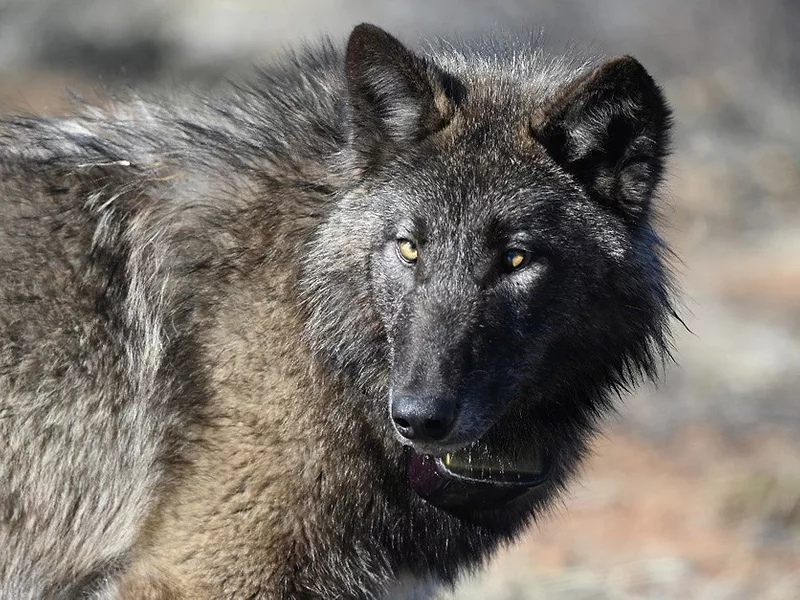
A single gray wolf pack in Northern California imposed at least $2.6 million in economic costs on ranchers and state agencies in just seven months, according to a new University of California analysis that highlights mounting tensions between wolf recovery efforts and livestock production.
The Beyem Seyo wolf pack, active in Sierra Valley between March and October last year, was responsible for unprecedented livestock losses, according to researchers with UC Davis and UC Cooperative Extension. Confirmed and probable livestock depredation losses alone totaled nearly $250,000, while state and federal agencies spent more than $2 million on nonlethal hazing and intervention efforts before ultimately euthanizing the pack in October.
During that time span, the pack killed or injured 92 domestic animals, averaging one loss every 2.4 days. That rate exceeds depredation levels documented in states with far larger wolf populations, like Montana and Wyoming, the report found. All confirmed depredations occurred on private land, countering claims that the conflict was concentrated on federal grazing allotments.
The researchers recognized that the number of confirmed losses significantly understates the true economic toll. Ranchers reported at least 26 additional animals killed that could not be officially verified under California’s strict investigation standards, which require intact carcasses and specific physical evidence. Many losses involved heavily consumed remains or missing animals that could not be documented despite wolf GPS collar data placing animals at kill sites.
Interested in more news on California agriculture, labor, water and rural issues? Sign up for a four-week free trial to Agri-Pulse West. You’ll receive our content - absolutely free - during the trial period.
Using compensation multipliers employed in other Western states to account for missing livestock, total depredation costs could range from roughly $534,000 to more than $1.7 million, depending on methodology. When combined with agency intervention expenses, the total economic impact reached a minimum of $2.6 million, the study concluded.
The report also raises questions about the sustainability of California’s Wolf-Livestock Compensation Program. Initially funded at $3 million, the program exhausted its funds by early 2024 and received an additional $2 million last year. Yet it reimburses producers only for confirmed direct losses, excluding indirect impacts like reduced weight gain, lower conception rates, increased labor and fencing costs, and heightened stress on cattle.
Despite round-the-clock hazing efforts by the California Department of Fish and Wildlife and drone operations by USDA Wildlife Services, depredations continued to escalate through the summer. State and federal officials ultimately determined that euthanizing the pack was necessary to protect livestock and public safety.
The authors warn that without adequate compensation and policy adjustments, the costs of wolf recovery will continue to fall disproportionately on rural communities and livestock producers.

