
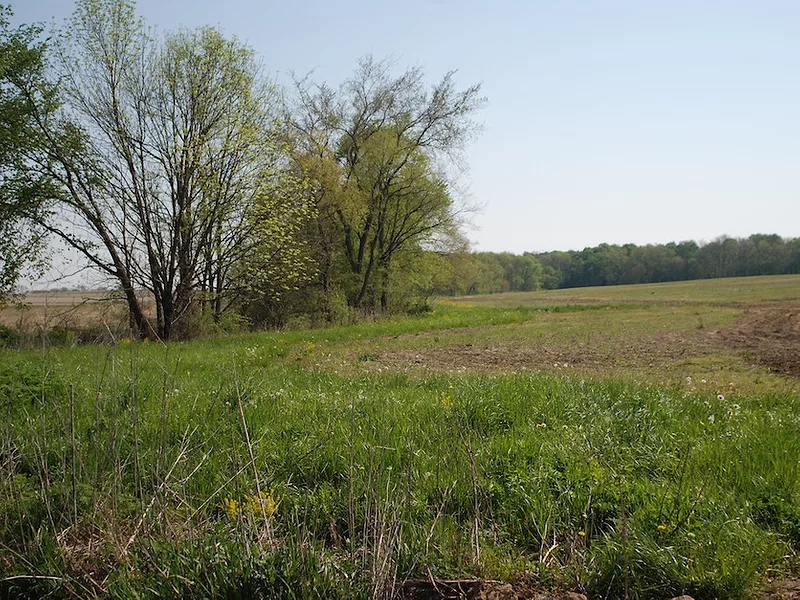
A new report from an environmental think tank suggests the Conservation Reserve Program does not fuel long-term population loss and may actually raise rural employment and business activity.
An economic analysis of the CRP program, released by Resources for the Future, found that a 1,000-acre increase in a county's' CRP acreage boosts rural employment by 0.06% annually over the first three years, "with gains tapering off by year five." On average, that "implies an additional 8 rural jobs per 1,000 acres enrolled," the report said.
The report's authors also analyzed Internal Revenue Service county-level migration data and found that CRP enrollment "is associated with a small, short-run reduction in net in-migration (less than one basis point, but this effect reverses within three years."
Cut through the clutter! We deliver the news you need to stay informed about farm, food and rural issues. Sign up for a FREE month of Agri-Pulse here.
"Over a five-year period, the program’s net effect on migration is essentially zero," according to an executive summary. "These results counter the perception that CRP exacerbates rural decline."
The analysis looked at CRPs impacts on rural business activity, employment, and migration from 2001 to 2022.
CRP pays farmers to remove environmentally sensitive land from production, although activities like haying or grazing can continue in some circumstances. The program was first authorized in the 1985 farm bill and has been altered several times since then.
The Resources for the Future report analyzed the program's impacts on property values between 2012 and 2022. It found property values for homes within 1 kilometer of a a 10-hectare increase in CRP land generally increased between 0.5% to 0.7%. The analysts said increases in tree-cover CRP acreage raised real estate prices roughly 2%.
For more news, go to Agri-Pulse.com.

