
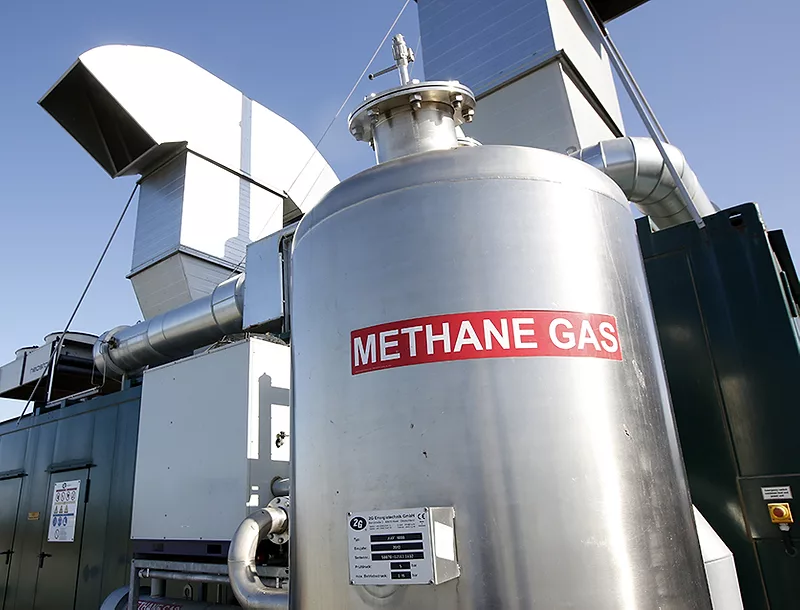
A new study from the University of California, Riverside offers a nuanced assessment of dairy manure digesters, finding the systems significantly reduce methane emissions overall but can lose much of their climate benefit when leaks occur.
Published this week in Environmental Research Letters, the study tracked emissions at 98 California dairies over eight years using satellite and airborne measurements, providing one of the most comprehensive real-world evaluations of digesters to date.
The findings reinforce the technology’s central role in California’s climate strategy. Digesters — sealed manure lagoons that capture methane for use as renewable natural gas — generally reduced emissions by eliminating large plumes associated with open manure storage.
Methane is 80 times more potent than carbon dioxide over a 20-year period, making reductions especially valuable for near-term climate goals, the researchers noted.
But the study also highlights a critical vulnerability. When digesters malfunction, emissions can spike dramatically. Researchers detected occasional leaks reaching roughly 1,000 kilograms of methane per hour — far exceeding the 20 to 100 kilograms per hour typically emitted from uncovered lagoons.
It’s easy to be “in the know” about what’s happening in Washington, D.C. Sign up for a FREE month of Agri-Pulse news! Simply click here
Those rare but extreme events can offset a significant share of the systems’ overall emissions savings.
“For the most part, the digesters are working well,” said Alyssa Valdez, a UC Riverside climate scientist and the study’s lead author, in a news release. “But the few leaks that happen, they make a huge impact.”
The study also identified emissions surges during construction and installation — phases rarely included in previous analyses — as well as operational venting when gas cannot be flared due to air quality rules or maintenance needs.
Earlier research from the same institution found properly managed digesters can reduce methane emissions by about 80%, aligning with state assumptions used in climate planning.
Taken together, the findings suggest digesters remain a powerful tool for reducing agricultural greenhouse gases but require rigorous monitoring and maintenance to deliver consistent benefits.
The authors emphasize that satellite and aerial detection technologies could help identify leaks quickly, allowing operators to address problems before they negate emissions gains.

