
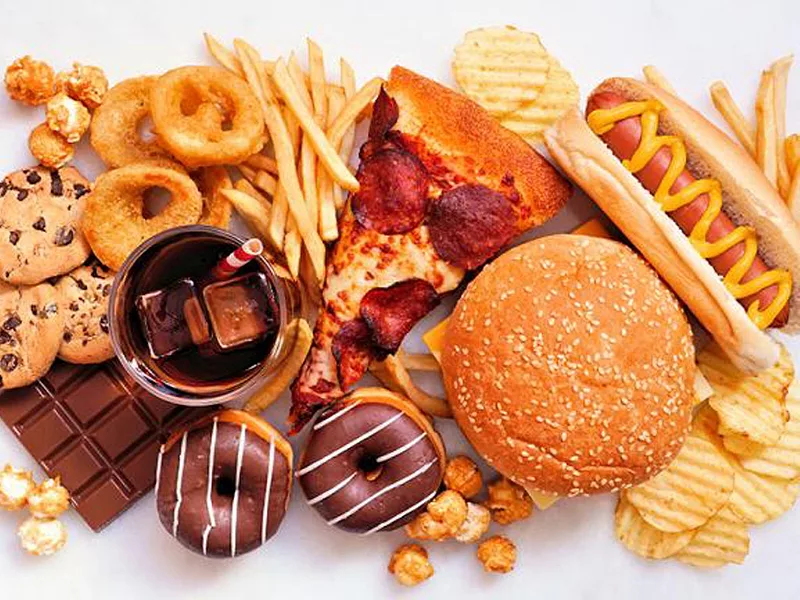
A sweeping proposal in the California Legislature to phase out “particularly harmful ultraprocessed foods” from public schools is facing mounting resistance from the state’s food, agriculture and retail sectors. Assembly Bill 1264, opponents argue, would mislabel common food products, impose costly new compliance burdens on schools, and invite a wave of litigation.
The bill, authored by Assemblymember Jesse Gabriel, D–Encino, would direct the Office of Environmental Health Hazard Assessment to define ultraprocessed foods and restrict their use in public school meal programs. Implementation would begin in 2028, with a full ban by 2035.
While supporters argue the bill is necessary to reduce childhood exposure to processed ingredients linked to obesity and diabetes, critics contend the framework is overly broad, scientifically unproven and will have significant unintended consequences.
Industry raises red flags over scope, cost and legal risk
 Asm. Alexandra Macedo, R-Tulare (photo: Macedo's office)
In a coalition letter submitted to the Senate Education Committee, dozens of organizations, including the California Farm Bureau, California Chamber of Commerce and the Consumer Brands Association, described the bill as an “unscientific, litigious, and costly” framework that burdens schools, confuses consumers and jeopardizes food security for California students.
Fact sheets and memos from the Consumer Brands Association warn that under AB 1264, foods containing ingredients such as emulsifiers, natural sweeteners and food-grade additives — even wax-coated fruit — could be labeled as ultraprocessed, impacting more than 80% of grocery store items.
Industry groups argue OEHHA lacks the necessary expertise — bringing in toxicologists rather than nutrition or food-labeling experts — to lead this regulatory initiative, suggesting oversight should be better placed with the California Department of Public Health.
The coalition also raises concerns that vague terminology could “open the floodgates for lawsuits,” following in the footsteps of Proposition 65, which ushered in California’s contentious cancer warning labels. It warns that even dismissed claims, such as those against the unified school districts for Poway and Los Angeles, have cost schools hundreds of thousands of dollars in legal defense.
It’s easy to be “in the know” about agriculture news from coast to coast! Sign up for a FREE month of Agri-Pulse news. Simply click here.
Dennis Albiani, representing the coalition and the Consumer Brands Association as president of the lobbying firm California Advocates, said the scope of the bill is far broader than most people realize.
“You don’t need to define and regulate ultraprocessed foods — especially not with an inflammatory term like ‘particularly harmful’ — to remove concerning ingredients from school programs,” he said in an interview.
Albiani noted that transitioning to scratch cooking is logistically and financially daunting, with the coalition estimating the conversion would cost $5.8 billion.
“If you're at a decentralized kitchen, you're never going to have enough tools to do everything, and you have to have the staffing,” he said. “They're more likely to open a bag of frozen burritos and put those on a tray than do something like [Elk Grove, with the fourth largest school district in California], which is making soups and making rice bowls and making the sandwiches and sending them out to schools.”
School nutrition staff already face high turnover and shortages. The coalition notes that nutrition job openings have a vacancy rate four times higher than teaching roles — further straining district capacity to adapt.
Political momentum and lingering doubts
The bill advanced out of the Assembly last month with overwhelming support in a 65–1 floor vote. During the debate, Gabriel emphasized that AB 1264 does not ban culturally important foods like tortillas or yogurt but instead focuses on identifying specific additives linked to serious health risks. He has framed the bill as a measured, science-driven response to a growing public health crisis, citing data that show ultraprocessed foods make up more than 60% of children's daily caloric intake.
Yet Asm. Alexandra Macedo, R-Tulare, and other lawmakers echoed the industry concerns over implementation costs and regulatory complexity. Some noted that while the bill targets school meals, the statutory definitions it would establish could have broader implications for the food system.
“In no way, shape or form is there a world in which it is going to ban these California agricultural products,” responded Gabriel. “Unless they have been linked by scientific research to cancer or any other serious disease, they're absolutely going to be excluded from the terms of the bill.”
Little in the bill to improve nutrition
Despite its framing around student health, AB 1264 does not include any mandates to increase access to whole grains, fruits, vegetables or other nutrient-rich foods in school meals, an omission that has been a key frustration for critics.
“There's nothing about nutrition,” said Albiani, noting that the coalition provided Gabriel with amendment language to improve the school nutrition requirements.
The coalition has suggested the state instead update its school nutrition standards through rulemaking, enhance the state’s existing food additive review process and provide purchase incentives for California-grown products.
AB 1264 advanced out of the Education Committee and the Senate Environmental Quality Committee is taking up the measure Wednesday morning.
For more news, go to Agri-Pulse.com.

