
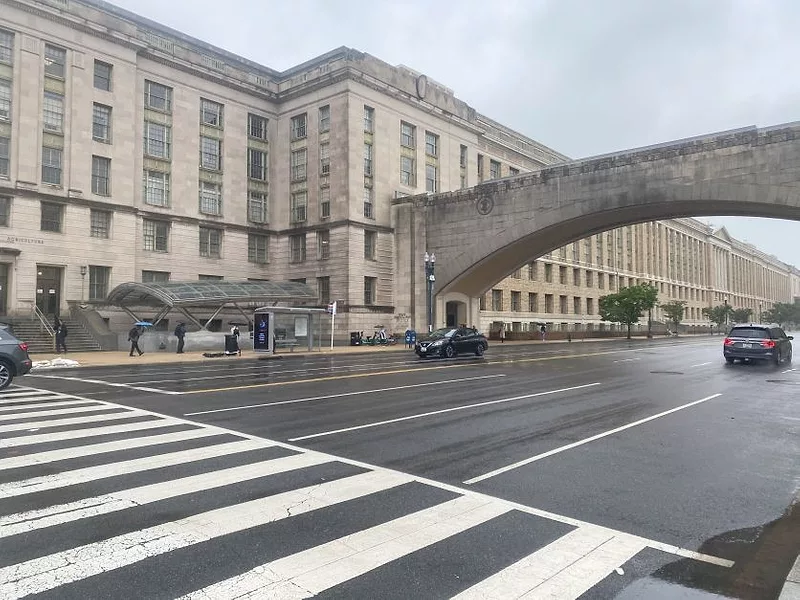
Union locals representing USDA employees are calling on the Trump administration to release a cost-benefit analysis behind the department’s reorganization plan. In a letter to Ag Secretary Brooke Rollins, the unions also are seeking the rationale behind choosing the five hubs where employees are being consolidated.
Among the questions the unions are posing to the department: “How were the hub locations selected? Were other locations considered? Was the cost of this move weighed against alternative uses of funds, such as expanding crop insurance, supporting disaster recovery, or investing in commodity research? Did the Department factor in the costs to the taxpayer of worsened services and decreased oversight resulting from staff losses?
“Without answers, this reorganization appears arbitrary and politically motivated.”
The unions also asked USDA to commit to releasing the public comments it has received on the plan.
Meanwhile: A group of Northeast Democrats are complaining to Rollins about the impact of the reorganization on their region. In a letter, the lawmakers ask, “How will farmers in the northeast be better served by staff hundreds, if not thousands, of miles away? What kind of expertise do staff stationed in the south or west have with the farming practices of farmers in the northeast?” The letter signers include Connecticut Rep. Rosa DeLauro, the top Democrat on the House Appropriations Committe
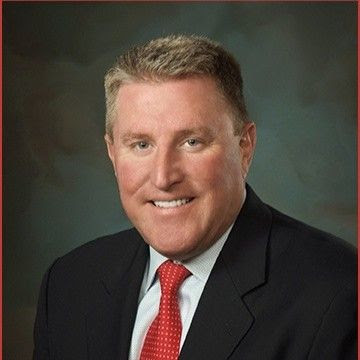 Dan Halstrom
US-EU trade announcement cheered, mostly, by food and ag
U.S. ag groups are largely welcoming the trade agreement framework released by the United States and the European Union, seeing it as a needed step toward gaining more access to the 27-nation market.
“The U.S. has been a net importer of red meat from the EU due to the vast barriers the EU imposes on imports, and addressing the EU’s tariff and non-tariff barriers is absolutely essential for U.S. export growth,” U.S. Meat Export Federation President and CEO Dan Halstrom says in a statement. He said he was glad to see a commitment in the framework to look at ways to minimize impacts of the EU’s deforestation regulation on U.S. industries.
The Corn Refiners Association (CRA) also applauded the framework, which the EU trade commissioner called the “first step” in the negotiating process.
CRA’s President and CEO John Bode echoes Halstrom’s praise for the framework’s commitment to look at nontariff barriers to trade in ag and food products.
“The Trump Administration’s prioritization of expanding market access for American agriculture is a welcome development, especially in important markets like the EU,” Bode says in a statement.
Cut through the clutter! We deliver the news you need to stay informed about farm, food and rural issues. Sign up for a FREE month of Agri-Pulse here.
More to do: The devil, as they say, will be in the details, and more meetings and negotiation must take place to fill in the blanks. However, one provision in the framework that could benefit U.S. consumers specifies that as of Sept. 1, the U.S. will only apply the most favored nation tariff rate to “unavailable natural resources (including cork).”
Agri-Pulse has reported previously that the U.S. was considering tariff exemptions for goods such as coffee and cocoa, which the U.S. cannot supply on its own.
Take note: Distilled Spirits Council of the U.S. President and CEO Chris Swonger says in a statement: “We are disappointed that this joint statement did not include permanent tariff-free trade for distilled spirits on both sides of the Atlantic.” Without zero-for-zero tariffs, “American distillers do not have the certainty to plan for future export and job growth without the fear of retaliatory tariffs returning,” Swonger said.
Ag sector likes focus on nontariff trade barriers
The U.S. ag sector is encouraged that the Trump administration is prioritizing agriculture and nontariff trade barriers in negotiations with trading partners, says Ted McKinney, CEO of the National Association of State Departments of Agriculture.
But McKinney says in an interview with Agri-Pulse Newsmakers that the farmers are “getting into crunch time” as tariffs depress exports, and producers could need some kind of federal compensation. “Most of us are hitting our knees at night, twice, praying for results with different countries to start buying, China probably being the leader there,” McKinney says.
Keep in mind: The American Soybean Association publicly appealed to President Donald Trump this week to close a trade deal with China, noting that there are currently no Chinese orders for this fall’s crop.
This week’s edition of Newsmakers will be available today at Agri-Pulse.com.
Ag groups seek federal highway funds to bolster rural roads, bridges
Sixty agricultural groups want to see $1.5 billion in federal highway funds to rural roads and bridges that otherwise rely on county and state funding.
In a letter, the groups urged leaders of the House Transportation and Infrastructure Committee to use existing highway formula funds to bolster rural bridges to eliminate posted weight limits or improve roads to provide last-mile access to farms.
The groups pointed to Transportation Department estimates indicating 80% of the nation’s weight-restricted bridges are on local roadways. They also said the Agriculture Department has found that the first and last miles of an agricultural truck trip are “the costliest part of the journey for a farmer or a farm-focused business due to delays and less direct routes.”
The groups include the American Farm Bureau Federation, the National Association of State Departments of Agriculture and the National Grain and Feed Association.
Lawmaker optimistic about year-round E15 odds
Rep. Dusty Johnson, R-S.D., puts the odds of getting year-round E15 passed sometime this year at 70%, though he’s unsure what legislative vehicle might be used to do so.
“I think we’re going to get it done this year. I feel really good about it,” Johnson said during a panel discussion at the American Coalition for Ethanol’s annual conference in Sioux Falls, South Dakota, on Thursday.
Johnson said he sees Congress’ year-end spending bill as a possible vehicle, though he said there’s also an effort in the Senate to include it in the annual defense bill.
Take note: A provision to authorize year-round sales of E15 was included in a version of last year's stopgap funding bill but was removed following concerns from Elon Musk and GOP leaders about the legislation’s size.
Final word
“This is not the end. It's the beginning. This framework is the first step, one that can grow over time to cover more sectors, improve market access and strengthen our economic ties even further.” — Maroš Šefčovič, European commissioner for trade, discussing the U.S.-EU framework released Thursday.
Noah Wicks contributed to today’s Daybreak.

