
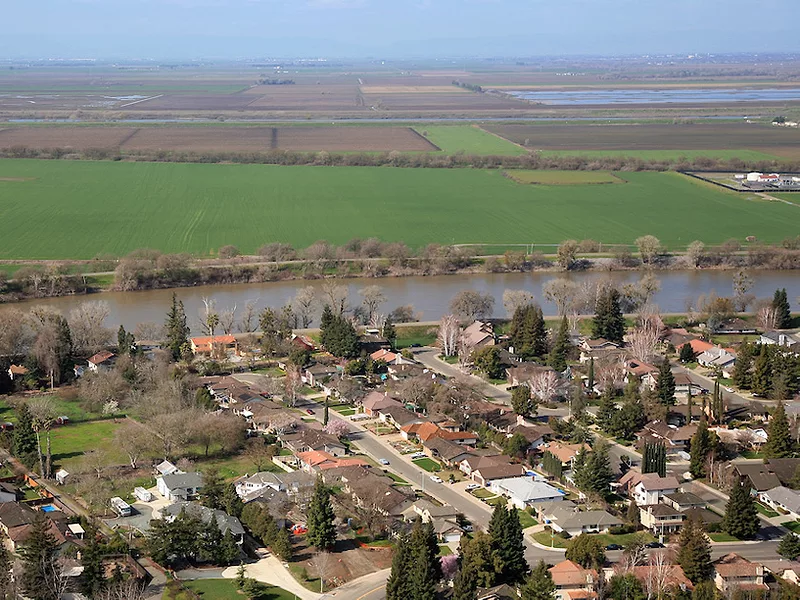
A bill moving through the California Legislature would keep property taxes from Williamson Act and Farmland Security Zone parcels out of special districts created for infrastructure financing until the land is formally released from its agricultural protections. Supporters say the change closes a loophole that was encouraging speculative sprawl, while homebuilders warn the fix could complicate long-term planning in fast-growing communities.
Under Senate Bill 5 by Senator Christopher Cabaldon, D-West Sacramento, enhanced infrastructure financing districts and community revitalization and investment authorities would not be allowed to capture tax increment revenue from parcels still under Williamson Act or security zone contracts. That exclusion would end once a county or city cancels or nonrenews the contract or rezones the land for nonagricultural use.
Cabaldon told the Assembly Local Government Committee last month the measure has two purposes: to “protect the basic integrity of the Williamson Act” and to preserve confidence in tax-increment tools by preventing their “exploitation around the edges.”
“What we’ve seen,” he said, is use of the districts “in a Williamson Act parcel in order to maximize the development potential … and to undermine the Williamson Act’s effectiveness.”
He described SB 5 as a narrow bill intended to “catch the loophole early.”
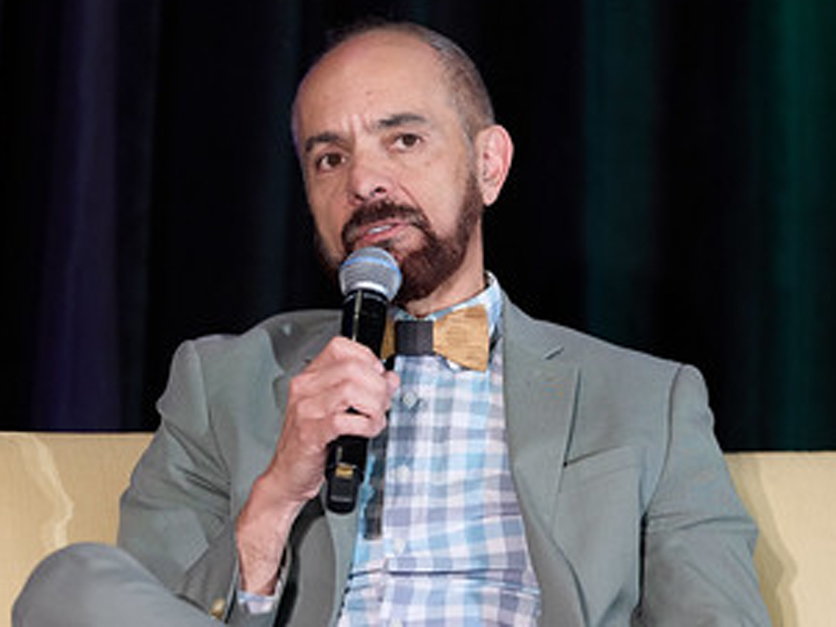 Sen. Christopher Cabaldon, D-West Sacramento (photo: Fred Greaves/Agri-Pulse)
A ‘double subsidy’ concern
The Williamson Act, adopted in 1965, lowers assessed values for contracted farmland to support continued agricultural use. The discount reduces tax burdens in exchange for long-term commitments to keep land in production. But when those reduced assessments flow into a special financing district or investment authorities — districts that carve off future growth in property taxes to fund public works — critics say developers gain a second advantage. Artificially low base-year values can inflate the district’s future tax-increment stream, helping to bankroll infrastructure that leads to the conversion of more agricultural lands.
Jordan Grimes, a resilience manager at the Greenbelt Alliance, a nonprofit land conservation and urban planning organization, framed the issue for lawmakers as basic fairness and climate-smart growth.
“SB 5 is at its core a good governance measure,” he testified, arguing that letting tax-increment tools leverage conservation-driven discounts amounts to “a double subsidy for private developers” and works against efforts to “preserve agricultural lands and open space while directing new development into infill areas.”
Interested in more news on farm programs, trade and rural issues? Sign up for a four-week free trial to Agri-Pulse. You’ll receive our content - absolutely free - during the trial period.
Yet a coalition of builders and developers led by the California Building Industry Association argue no evidence shows the Williamson Act is being undermined. The opponents say a one-size-fits-all ban would “eliminate one of the few remaining infrastructure financing and economic development mechanisms available to fund improvements in these areas.”
Farm groups line up in support
Agriculture organizations, environmental justice advocates and local officials have rallied to support the bill. Daniel Jones, a fourth-generation farmer who serves on the boards of the Solano County Farm Bureau and the California Farm Bureau, said the measure “prevents the unintended diversion of tax revenues from protected farmland and helps maintain the public trust in California’s key agricultural preservation program.” He emphasized it is “not a permanent block,” because once a contract is canceled or land rezoned, the parcels “can be included in financing districts in the next assessment cycle.”
Others backing the bill include California Citrus Mutual, the California Fresh Fruit Association, the California Rice Commission, the Walnut Commission and the Leadership Counsel for Justice and Accountability.
The Solano County backdrop has loomed over the debate. In 2023 “a group of just over a dozen billionaires” from Silicon Valley, under the California Forever initiative, sought to rezone a large portion of the county’s agricultural land for urban development, Cabaldon explained to his colleagues on the Senate floor in June.
Local officials there endorsed SB 5 amid the heightened scrutiny over the large-scale commercial development of green spaces and concerns that tax-increment tools could be paired with Williamson Act parcels to finance urban amenities before agricultural contracts are released.
What the bill does — and doesn’t — change
The proponents have stressed that SB 5 does not eliminate the districts or authorities, nor does it block a city or county from eventually including former Williamson Act parcels in those districts. It instead delays participation until after a clear, public step has been taken to move the land out of agricultural protections and into a different zoning or land-use status.
By requiring a reassessment on an agricultural-to-urban path first, SB 5 aims to ensure public-works dollars are not front-loaded by leveraging conservation discounts that were never intended to subsidize conversion.
Cabaldon told colleagues he came to the issue as the former mayor of West Sacramento, when he helped launch the state’s first enhanced infrastructure financing district.
“That project is imperiled by this loophole,” he said, warning that if left unaddressed, the practice could erode confidence in tax-increment financing the way “loopholes and exploitations around the edges” once undercut redevelopment.
Recent amendments adding more flexibility for local governments led to nearly unanimous bipartisan support from the committee, and it now awaits a key Assembly floor vote.
For more news, go to Agri-Pulse.com.

