
California’s pest prevention system is increasingly strained by rising invasive species threats, staffing shortages and outdated infrastructure, according to a sweeping new analysis that warns the state risks falling behind unless investments increase.
The 516-page Comprehensive Pest Prevention Program Analysis, released jointly by the California Department of Food and Agriculture and the California Agricultural Commissioners and Sealers Association, concludes that California’s system remains highly effective but is underfunded relative to the risks facing the state’s $59 billion agricultural sector.
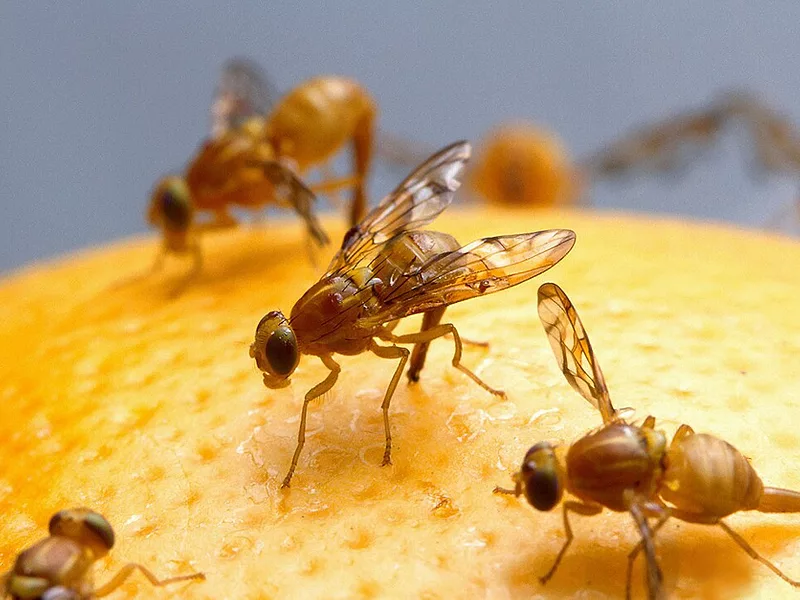
The report points to the 2023-2024 fruit fly outbreaks as a warning sign. California declared seven separate quarantines for invasive fruit flies during that period — the most ever in a single year — requiring about $208 million in eradication costs shared by state and federal governments.
“The best investment we can make in our invasive pest system is to prevent infestations from happening in the first place,” CDFA Secretary Karen Ross said in a statement, adding that strong inspection systems and outreach efforts are critical to stopping pests before they establish themselves in the state.
Researchers found California agriculture has become far more valuable and globally important since the state’s pest prevention system was last comprehensively reviewed in the 1990s. The report notes California now produces 99% of U.S. walnuts, 95% of plums, 90% of strawberries and citrus, and 70% of lettuce, while supplying about one-third of the world’s tomato paste.
Yet funding growth has not kept pace with the increasing complexity of pest threats fueled by global trade, e-commerce and travel. The report found established invasive pests already cost producers and consumers an estimated $563 million annually across California’s top 20 crops.
The researchers warned that more pests are slipping through expanding trade pathways, particularly online plant sales. Only 16 of 62 surveyed e-commerce websites clearly displayed California shipping restrictions for plant materials.
The report highlights operational strain within frontline prevention programs. California’s border inspection stations inspect only 7% of incoming vehicle traffic and are frequently understaffed, while detector dog teams currently inspect parcel facilities on 5% of operating days statewide.
“California is essentially trying to protect more valuable assets with fewer real resources,” said Lindsey Carter, executive director of CACASA. “The return on investment for pest prevention is already high. But when you factor in the potential losses — not just to agriculture, but to natural ecosystems and urban environments — the case for increased funding becomes overwhelming.”
The report estimates the state needs more than $90 million in immediate one-time investments and more than $25 million annually to modernize infrastructure, improve staffing and strengthen pest exclusion programs.

