
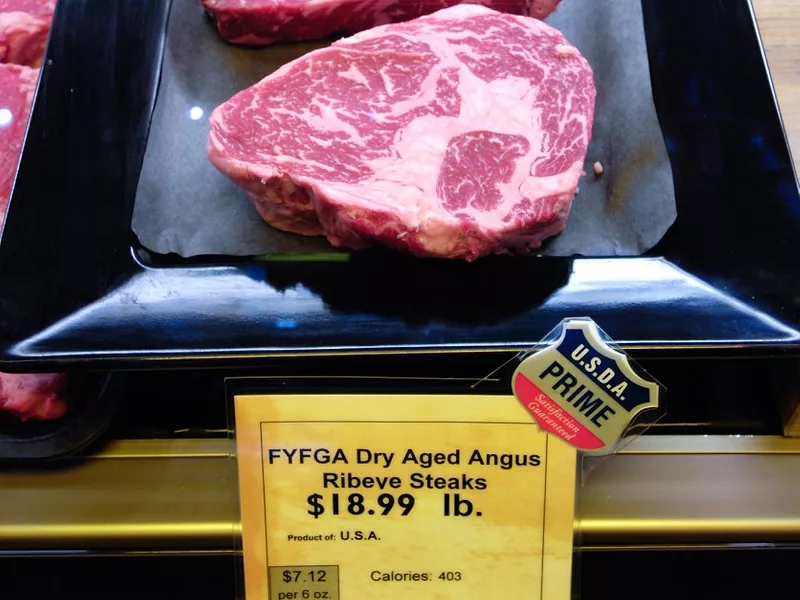
Trump’s Argentinian beef import comments draw flak from supporters
President Trump’s comments that beef imports from Argentina could soon lower U.S. beef prices is being criticized by all corners of the beef industry and some traditional allies.
Close Trump ally Rep. Marjorie Taylor Greene, R-Ga., in a post on X Monday urged the president to “help Americans only!”
Greene reposted an open letter from Wyoming-based Meriwether Farms which read, “We love you and support you – but your suggestion to buy beef from Argentina to stabilize beef prices would be an absolute betrayal to the American cattle rancher.”
“I’m hearing the same sentiment in my district,” Greene added.
Sen. Deb Fischer, R-Neb., said she has been in officials to seek clarity on the administration’s plans for U.S. beef imports.
“If the goal is addressing beef prices at the grocery store, this isn’t the way,” Fischer said in a statement. Fischer has a long history of backing Trump and the president endorsed her in her last year’s election.
Take note: U.S. Cattlemen’s Association, the National Cattlemen’s Beef Association and R-CALF USA all issued statements opposing Trump’s proposal.
The comments also come after the Trump administration-established currency swap to support Argentina’s ailing economy.
“In times of extreme uncertainty in the farm economy, we should be doubling down on our efforts to support family farmers and ranchers here at home,” National Farmers Union President Rob Larew said in his own statement.
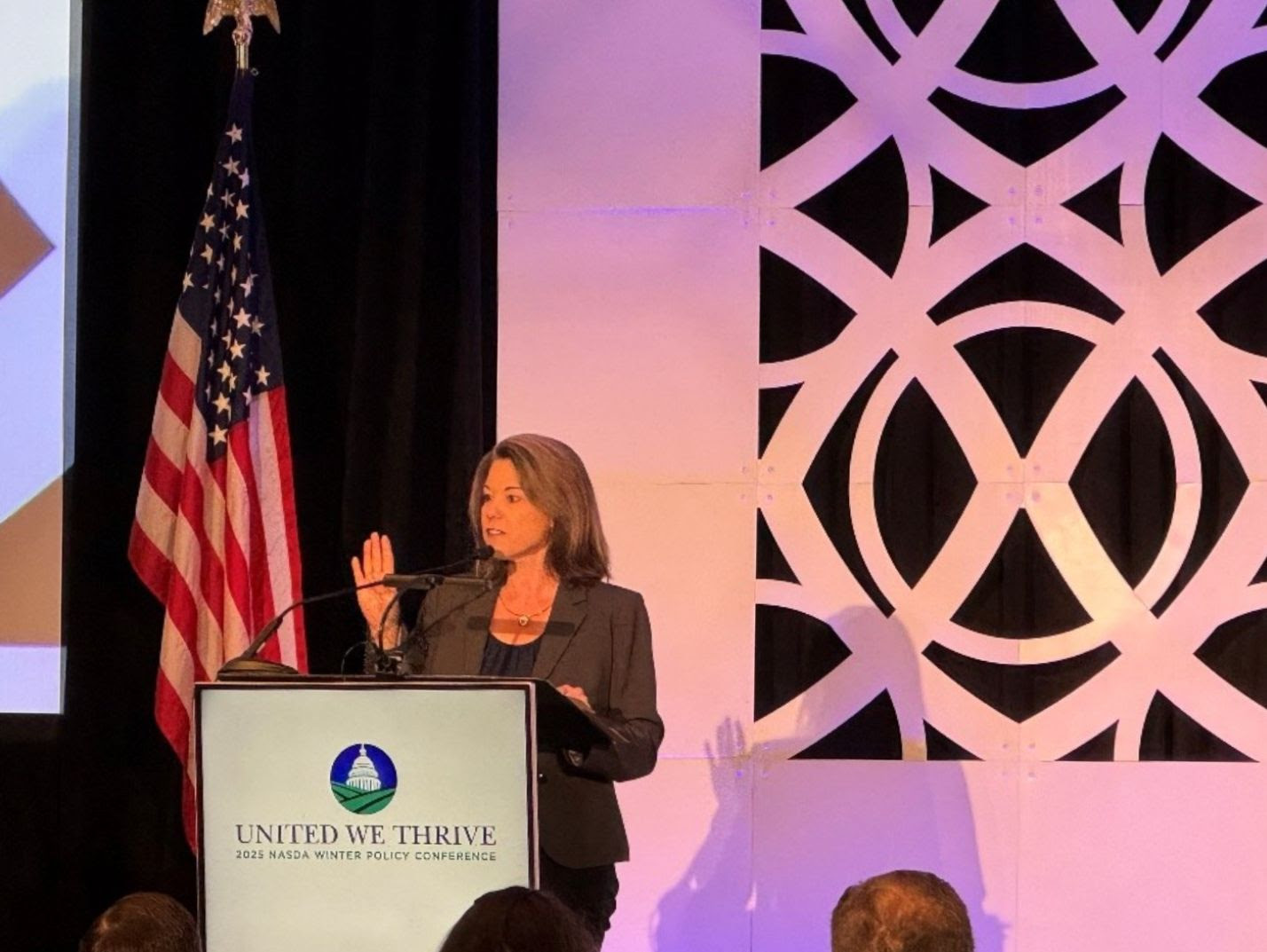 Rep. Angie Craig, D-Minn., speaks at the NASDA Winter Policy Conference (Agri-Pulse photo)
Craig: Trump’s bailout package won’t be enough
The House Agriculture Committee’s top Democrat says the farm bailout package the Trump administration is considering won’t be large enough to cover the losses from the current trade wars. Minnesota Rep. Angie Craig says farmers may need continued help if disruptions continue.
In an interview with Agri-Pulse’s Jeff Nalley, Craig says she worries that “as soon as we get this done, we’re going to need it all over again if the Trump administration continues with its across-the-board trade war. You know, this business from China, it’s not coming back.” She’s referring to China’s decision to stop buying U.S. soybeans and other commodities.
She said the $12 billion-plus aid package the administration is considering is “a drop in the bucket to all of the producers that are being harmed by this trade war.”
Keep in mind: GOP lawmakers are working on a second aid package that would require loosening restrictions on USDA’s Section 32 spending authority. Section 32 payments are funded by tariff revenue.
Take note: Craig also says farmers have a lot at stake in the debate about expiring Affordable Care Act, or ACA, insurance subsidies. Citing data from the Kaiser Family Foundation, she says an estimated 27% of farmers and ranchers rely on the individual market for coverage. Most individual market policies are ACA. Democrats have been demanding the GOP agree to continue those subsidies as a condition for reopening the government.
Cut through the clutter! We deliver the news you need to stay informed about farm, food and rural issues. Sign up for a FREE month of Agri-Pulse here.
Trump still optimistic about China deal, sees soybeans as key issue
Trump believes that the U.S. standoff with China over rare earth minerals will be resolved by a trade pact.
He told reporters during a visit from Australian Prime Minister Anthony Albanese that “I think we’ll make a deal.”
"They stopped buying our soybeans because they thought that was punishment," Trump said of the current standoff. "It is punishment to our farmers, but we’re not going to allow that to happen."
Trump’s comments came after he said over the weekend that he wants China to buy U.S. soybeans “at least in the amount they were buying before.” The comments boosted the price of soybeans on Monday.
Trump reiterated that he still plans to meet with Chinese President Xi Jinping later this month and visit China “fairly early next year.”
Take note: The White House also touted Australia’s recent lifting of a ban on U.S. beef during Albanese’s visit.
Interior looks to get rid of more than 2,000 employees
The Interior Department is planning to lay off 2,050 employees, but has agreed to hold off for now due to a judge’s order halting several agencies' reduction-in-force efforts, according to court documents.
In a declaration, Interior Department Chief Human Capital Officer Rachel Borra gave detailed numbers on where employees included in the planned cuts are currently stationed. The Bureau of Reclamation would lose 30 people, including six in its Yuma, Arizona, office.
The Bureau of Land Management would lose 386 employees at state offices in Washington, Oregon, Utah, California, Idaho, Arizona and Colorado. The RIFs would also affect 87 employees in its National Operation Center and one employee in its information technology headquarters office.
The U.S. Fish and Wildlife Service would lose 143 employees, including eight in its Ecological Services Division, which handles Endangered Species Act work. The U.S. Geological Survey would lose 335 employees.
The agency employed a total of 69,367 people as of last September, according to Office of Personnel Management data. However, the agency subsequently has lost about 6,800 employees due to buyouts.
Seed oils aren’t bad for health, university researchers say
Soybean oil and omega-6 fatty acids are unfairly claimed to be bad for human health, Johns Hopkins University professors say.
Edible oils used to cook food and make common kitchen items like salad dressing and snack food are under fire from Make America Healthy Again, or MAHA, proponents pushing for an overhaul of the U.S. food system. Omega-6s, also known as linoleic acid and found in vegetable oils and foods like nuts, meats and dairy, are also a big target.
Yet both are linked with better heart health and a lower risk of premature death, Professor Matti Marklund, of the Johns Hopkins Bloomberg School of Public Health said in a media briefing hosted by the school.
“Despite widespread claims online, there’s no credible evidence that seed oils or linoleic acid promote inflammations in humans,” Marklund said. “In fact, research shows the opposite.”
When it comes to ultra-processed foods, which range from soda to canned fish, the situation can be tricky, even though they are broadly associated with a wide range of diseases and make up most of what Americans eat, said Julia Wolfson, a Johns Hopkins professor.
While many ultra-processed foods are “junk,” others are grocery staples that are much more convenient than cooking at home from scratch.
“Some of them are not so bad, like whole wheat breads that are affordable in grocery stores, or meat and dairy alternatives like soy milk and tofu,” Wolfson said.
Final words
"This plan only creates chaos at a critical time of the year for American cattle producers, while doing nothing to lower grocery store prices." --National Cattlemen's Beef Association CEO Colin Woodall in a statement about President Donald Trump's proposal to decrease beef prices by increasing imports from Argentina.
"I need the President and Brooke Rollins to stop saying that they love America's farmers and I need them to start acting like it." - House Ag Committee Ranking Member Angie Craig, D-Minn.
Philip Brasher, Kim Chipman, Lydia Johnson, Oliver Ward and Noah Wicks contributed to today’s Daybreak.
This story has been updated with comments from Sen. Deb Fischer, R-Neb.

.webp?t=1762183428)


