
Biofuel groups have been celebrating advances in the 45Z tax credit for clean fuel producers included in the GOP budget reconciliation bill, with one notable exception.
“Under the current version of 45Z, the alcohol-to-jet pathway is not going to happen, not at any type of real pace, not at any type of accelerated rate of innovation,” said Mitchell Hora, CEO of Continuum Ag. “SAF is an opportunity long term but under these current changes and rules, SAF was kind of a loser in this deal.”
The bill strips the premium for SAF by lowering the credit value from $1.75 to $1. This puts the SAF value at the same level as other road fuels, and disincentivizes ethanol producers from selling to SAF producers.
Sen. Joni Ernst, R-Iowa, had an amendment that would have restored the premium and allowed ethanol and SAF producers to get the credit, but her proposal wasn’t debated on the floor. Hora said this would have fixed some of the SAF issues and could come up in future deliberations.
Ag groups call for speedy vote on USDA trade undersecretary
A coalition of 100 ag groups and companies is urging Senate leaders to swiftly bring Luke Lindberg’s nomination for USDA undersecretary for trade and foreign agricultural affairs to the floor.
“[T]he U.S. rural and agricultural economy faces many challenges including uncertain market access, increased costs, higher competition from overseas competitors, and a nearly $50 billion agricultural trade deficit,” the groups say in a letter to Senate Majority Leader John Thune, R-S.D., and Minority Leader Chuck Schumer, D-N.Y. “Mr. Lindberg will be vital to the necessary trade and agriculture efforts to address these challenges head on.”
Take note: Lindberg, a senior fellow at the America First Policy Institute and Thune’s son-in-law, advanced out of the Ag Committee in May with unanimous support. Top Democrat Amy Klobuchar of Minnesota singled out his wealth of trade policy experience during the committee vote.
Administration formalizes Aug. 1 tariff deadline
President Donald Trump is extending the deadline for trading partners to secure new deals to avoid new reciprocal tariffs.
In an executive order signed Monday, the president moved the expiration date for an initial 90-day pause on reciprocal tariffs to Aug. 1. The move came just hours after he sent a flurry of letters to U.S. trading partners notifying them of the new date and, in some cases, adjusting their reciprocal tariff rates.
Multiple analysts on Monday were quick to point out that the “90 deals in 90 days” goal had always been a lofty one. They argued that kicking the tariff deadline down the road was inevitable to secure any meaningful agreement.
But White House press secretary Karoline Leavitt pushed back against that suggestion during a press briefing Monday. “It's an acknowledgement that this administration is doing what's best for the American worker, and we want the best deals possible,” she said.
Union blasts Zeldin’s decision to place dissenters on leave
The American Federation of Government Employees is criticizing EPA Administrator Lee Zeldin for placing 139 employees on “investigatory administrative leave” after they signed a letter saying the Trump administration “is recklessly undermining the EPA mission.”
“This letter wasn't an act of insubordination,” said Justin Chen, second vice president of AFGE Council 238, which before cuts at the agency represented about 8,000 employees. “It was a plea to Administrator Zeldin to uphold his oath and reverse course on the dangerous direction the EPA is heading in.”
The letter has been signed by more than 6,000 supporters, including Nobel Prize winners and at least one former EPA administrator, Christine Todd Whitman. It criticizes cuts to environmental justice programs and the “dismantling” of the Office of Research and Development.
NCBA praises opening of port of entry in Douglas, Arizona
The first port of entry for cattle from Mexico has opened, earning praise from the National Cattlemen’s Beef Association.
Ag Secretary Brooke Rollins’ decision to reopen the Douglas port to live cattle imports “will help relieve the economic pain for some producers throughout the country who depend on cattle moving through that port for their businesses,” NCBA CEO Colin Woodall said.
Interested in more news on farm programs, trade and rural issues? Sign up for a four-week free trial to Agri-Pulse. You’ll receive our content - absolutely free - during the trial period.
Woodall said USDA is taking adequate precautions to prevent New World screwworm from entering the country.
“Before entering the port, cattle will be inspected for any wounds or other health conditions,” Woodall said. “If any wounds are detected, the entire lot of cattle will be rejected by veterinary authorities. Cattle will also receive an antiparasitic medication and then be quarantined for three days before moving through the port. Once on the other side, cattle will receive another round of veterinary inspection.”
The decision to allow cattle into the U.S. has been criticized, however, by R-CALF USA and 18 other livestock groups, who said in a letter to Rollins that she should “maintain the prohibition on the importation of live cattle from Mexico until Mexico demonstrates it has eradicated NWS from within its borders.”
Final word
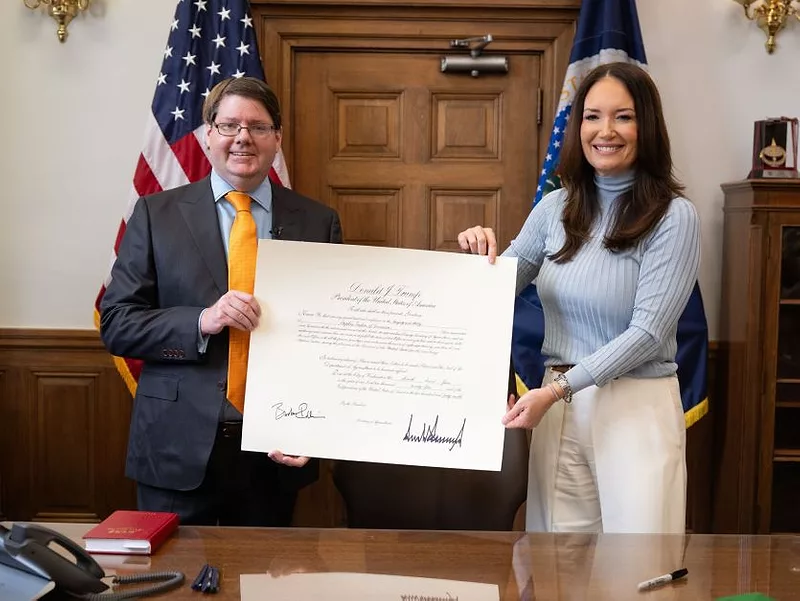
“I thank President Trump and Secretary Rollins for their trust in me to support the incredible men and women of American agriculture. I look forward to getting to work to support the secretary in ‘Making Agriculture Great Again.’” — Newly sworn-in Deputy Ag Secretary Stephen Vaden
Rebekah Alvey and Oliver Ward contributed to today’s Daybreak.
For more news, go to www.Agri-Pulse.com.


